Duration of Treatment
usually takes 20-30 minutes.
Days of Stay
Usually two in daycare procedure in the hospital
Anesthesia
local anaesthesia or sedation
Cost
200 to 400 USD
Gastrointestinal (GI) Endoscopy in India
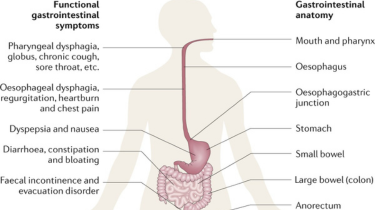
Gastrointestinal endoscopy is a diagnostic and therapeutic procedure used to examine the inside of the digestive tract using a flexible tube with a camera called an endoscope. This allows doctors to investigate symptoms like abdominal pain, bleeding, or digestive issues and even perform treatments like biopsy, polyp removal, or stopping internal bleeding.
📌 Common Types of GI Endoscopy
- Upper GI Endoscopy (Esophagogastroduodenoscopy – EGD)
- Examines the esophagus, stomach, and upper small intestine.
- Colonoscopy
- Examines the colon (large intestine) for polyps, ulcers, or cancer.
- Sigmoidoscopy
- Checks only the rectum and lower part of the colon.
- Endoscopic Retrograde Cholangiopancreatography (ERCP)
- Examines the bile ducts, pancreas, and gallbladder.
- Capsule Endoscopy
- Swallowing a capsule with a camera to view the small intestine.
💰 GI Endoscopy Cost in India
|
Procedure
|
Average Cost (INR)
|
Average Cost (USD)
|
|
Upper GI Endoscopy
|
₹2,500 – ₹10,000
|
$30 – $120
|
|
Colonoscopy
|
₹4,000 – ₹12,000
|
$50 – $145
|
|
ERCP
|
₹20,000 – ₹50,000
|
$240 – $600
|
|
Capsule Endoscopy
|
₹40,000 – ₹80,000
|
$480 – $960
|
💡 Costs vary by hospital, city, and complexity of procedure. HealthFly offers cost-saving packages.
🏥 Top Hospitals for GI Endoscopy in India
- Apollo Hospitals, Chennai/Delhi
- Medanta – The Medicity, Gurugram
- Fortis Memorial Research Institute, Gurugram
- Asian Institute of Gastroenterology, Hyderabad
- Manipal Hospitals, Bengaluru
- Global Hospitals, Mumbai
- BLK-Max Hospital, Delhi
👨⚕️ Best Gastroenterologists in India
- Dr. Ramesh Ardhanari (Chennai)
- Dr. Randhir Sud (Medanta, Gurugram)
- Dr. D. Nageshwar Reddy (AIG, Hyderabad)
- Dr. A.S. Soin (Medanta, Gurugram)
- Dr. Sandeep Lakhtakia (AIG, Hyderabad)
Why Choose HealthFly Medical Tourism for GI Endoscopy or Any Treatment in India
- Expert Network of Hospitals
HealthFly partners with India’s top NABH-accredited hospitals like Apollo, Fortis, Medanta, and AIG, ensuring world-class treatment and safety.
- Access to Renowned Specialists
Get direct appointments with India’s leading gastroenterologists, laparoscopic, and general surgeons without long waiting periods.
- Affordable & Transparent Pricing
HealthFly offers cost-effective packages with no hidden charges — saving you up to 60–70% compared to other countries.
- Personalized Medical Coordination
A dedicated case manager helps with medical records, consultation scheduling, interpreter services, and continuous patient support from arrival to recovery.
- Visa & Travel Assistance
Get help with medical visa invitations, flight bookings, and travel plans, making your medical trip smooth and stress-free.
- Post-Treatment Follow-up Care
HealthFly ensures ongoing virtual consultations and health updates even after the patient returns home.
- Multilingual Support
Patients are assisted in English, Arabic, French, Russian, Bengali, Hindi, and more for clear communication at every step.
- Well-Planned Medical Travel
Packages include airport pick-up, hospital transfers, hotel stay, and sightseeing options for recovery breaks.
What is Gastrointestinal (GI) Endoscopy
Gastrointestinal (GI) endoscopy is a medical procedure used to examine the inside lining of your digestive tract (also called the GI tract) using a flexible, thin tube called an endoscope, which has a light and camera attached.
🔍 Types of GI Endoscopy:
- Upper GI Endoscopy (EGD):
- Examines the esophagus, stomach, and duodenum (first part of the small intestine).
- Lower GI Endoscopy (Colonoscopy or Sigmoidoscopy):
- Examines the colon and rectum.
- Capsule Endoscopy:
- A pill-sized camera is swallowed to take pictures of the small intestine.
🧪 Purpose of GI Endoscopy:
- Diagnose symptoms like abdominal pain, bleeding, nausea, vomiting, or swallowing issues.
- Detect conditions like:
- Ulcers
- Gastritis
- Colon polyps
- Cancer
- Celiac disease
- Perform minor treatments:
- Biopsy (taking tissue sample)
- Removal of polyps
- Stopping internal bleeding
⏱ Procedure Duration:
- Usually takes 15–45 minutes
- May require sedation for comfort
✅ Benefits:
- Minimally invasive
- Quick recovery
- High accuracy in detecting GI problems
Symptoms
Upper GI Symptoms (Esophagus, Stomach, Duodenum):
- Persistent heartburn or acid reflux (GERD)
- Difficulty swallowing (dysphagia)
- Unexplained weight loss
- Chronic nausea or vomiting
- Upper abdominal pain or discomfort
- Vomiting blood (hematemesis)
- Black or tarry stools (sign of upper GI bleeding)
Lower GI Symptoms (Colon, Rectum):
- Chronic diarrhea or constipation
- Blood in the stool
- Change in bowel habits
- Lower abdominal cramps or pain
- Unexplained fatigue (due to possible internal bleeding)
- Incomplete bowel movements
Preparation
Proper preparation is essential to ensure a successful and safe gastrointestinal endoscopy. Here are the key steps involved in preparing for the procedure:
✅ 1. Medical Evaluation
- Discuss your medical history, ongoing conditions (like diabetes, heart disease), and medications with your doctor.
- Inform the doctor about any allergies, especially to anesthesia or sedatives.
✅ 2. Fasting Requirements
- Do not eat or drink anything for 6–8 hours before the procedure.
- Clear liquids may be allowed up to 2 hours before the procedure (unless otherwise advised).
✅ 3. Medication Adjustments
- Stop blood thinners (aspirin, warfarin, etc.), iron supplements, or diabetic medications if advised.
- Continue essential medications with a small sip of water if instructed.
✅ 4. Bowel Preparation (for Lower GI Endoscopy/Colonoscopy)
- Laxatives or a bowel cleansing solution may be prescribed a day before the procedure.
- A clear liquid diet is usually recommended the day before.
✅ 5. Arrange Transportation
- As sedation is usually given, you will need someone to drive you home after the procedure.
✅ 6. Wear Comfortable Clothing
- Choose loose-fitting clothes, and avoid wearing jewelry or makeup on the day of the procedure.
✅ 7. Mental Preparation
- Understand the purpose of the endoscopy, the risks involved, and the expected outcomes.
- Ask questions if you’re nervous—it’s normal to feel anxious.
Procedure
Gastrointestinal (GI) endoscopy is a diagnostic procedure used to view the lining of the digestive tract using a thin, flexible tube called an endoscope. Here’s a step-by-step overview of the standard procedure:
🔍 1. Pre-Procedure Preparation
- You’ll be asked to change into a hospital gown.
- A nurse will place an IV line to give sedation or anesthesia (usually mild sedation).
- You may be given a local anesthetic spray in the throat (for upper GI endoscopy).
🧴 2. Sedation & Monitoring
- Mild sedation helps you relax and minimizes discomfort.
- Vital signs like heart rate, oxygen level, and blood pressure will be continuously monitored.
🔬 3. Insertion of the Endoscope
- Upper GI Endoscopy (Esophagogastroduodenoscopy or EGD):
The endoscope is gently inserted through the mouth to examine the esophagus, stomach, and duodenum.
- Lower GI Endoscopy (Colonoscopy):
The scope is inserted through the rectum to view the colon and rectum.
📸 4. Visual Examination
- A small camera on the tip transmits high-quality images of the internal organs.
- Air or CO₂ may be introduced to inflate the area for better visibility.
🔧 5. Additional Procedures (If Needed)
- Biopsies may be taken using tiny instruments passed through the scope.
- Polyp removal, tissue sampling, or cauterization of bleeding sites can be performed.
🕒 6. Completion & Recovery
- The entire procedure usually takes 15 to 30 minutes.
- You’ll be monitored in a recovery room until sedation wears off.
- Mild sore throat, bloating, or gas is normal afterward.
Post-Procedure
After a GI endoscopy (either upper or lower), proper care is essential to ensure a smooth recovery. Here’s what typically happens and what you should keep in mind:
🕒 Immediately After the Procedure
- You’ll be moved to a recovery room and monitored until the effects of sedation wear off (usually 30–60 minutes).
- You may feel drowsy, bloated, or have gas due to air introduced during the procedure.
- If your throat was numbed (in upper GI endoscopy), wait at least 1–2 hours before eating or drinking to avoid choking.
🍽️ Diet & Activity
- Start with light meals once you’re fully awake (unless told otherwise by your doctor).
- Avoid alcohol, driving, or operating machinery for 24 hours if sedated.
- Do not consume spicy or acidic food immediately after the procedure.
💊 Medications
- Resume regular medications as advised by your doctor.
- If a biopsy or polyp removal was done, your doctor may recommend avoiding blood thinners temporarily.
⚠️ When to Contact a Doctor
Seek immediate medical help if you experience:
- Severe abdominal pain or bloating
- High fever or chills
- Vomiting blood or passing black stools
- Difficulty swallowing (after upper GI endoscopy)
- Heavy rectal bleeding (after colonoscopy)
📝 Follow-Up
- You may receive a report immediately or within a few days (especially if biopsies were taken).
- Follow-up appointments will be scheduled if further treatment or a detailed discussion is needed.
Success Rates
Gastrointestinal (GI) endoscopy is a widely used diagnostic and therapeutic procedure. In India, it is performed by skilled gastroenterologists using advanced equipment, ensuring high safety and success rates.
📈 Success Rates Overview
- Diagnostic GI Endoscopy:
✅ Success Rate: 98–99%
➤ Highly effective in detecting ulcers, cancers, infections, and inflammation.
- Therapeutic Endoscopy (e.g., polyp removal, bleeding control):
✅ Success Rate: 90–95%
➤ Varies based on the complexity of the condition and patient health.
- Colonoscopy (lower GI):
✅ Success Rate: 95–98% for accurate diagnosis and treatment.
💡 Factors Affecting Success
- Patient’s overall health condition
- Experience of the gastroenterologist
- Quality of equipment and facility
- Timely follow-up and aftercare
FAQs from Doctors
Here are the most frequently asked questions (FAQs) that doctors commonly answer for patients considering or undergoing GI endoscopy:
✅ 1. What is GI endoscopy and why is it done?
Doctor’s Answer: GI endoscopy is a procedure to visualize and examine the digestive tract using a flexible tube with a camera. It helps diagnose issues like ulcers, bleeding, tumors, or inflammation in the esophagus, stomach, and intestines.
✅ 2. Is GI endoscopy painful?
Doctor’s Answer: No, most patients only experience mild discomfort. We use sedation or anesthesia to ensure the procedure is painless and comfortable.
✅ 3. How long does the procedure take?
Doctor’s Answer: A diagnostic endoscopy usually takes 15–30 minutes. Therapeutic procedures may take longer, depending on the treatment required.
✅ 4. Is there any risk involved?
Doctor’s Answer: GI endoscopy is very safe. Minor risks like sore throat, bloating, or slight bleeding may occur, but serious complications are extremely rare.
✅ 5. How should I prepare for the procedure?
Doctor’s Answer: You’ll need to fast (no food or drink) for at least 6–8 hours before the procedure. For colonoscopy, bowel preparation with laxatives is necessary.
✅ 6. Can I go home the same day?
Doctor’s Answer: Yes, it is usually a daycare procedure. After a short recovery period, most patients go home the same day.
✅ 7. Will I need follow-up care?
Doctor’s Answer: If your endoscopy was diagnostic, we’ll review results in a few days. For therapeutic procedures, regular follow-up may be required to monitor healing.
✅ 8. Is GI endoscopy safe for elderly patients?
Doctor’s Answer: Absolutely. We take special precautions with older patients, and the benefits of early diagnosis often outweigh any minor risks.