Duration of Treatment
usually takes 1 to 3 hours
Days of Stay
usually 1 days at the hospital and 5 days outside the hospital.
Anesthesia
General anesthesia.
Cost
3900 to 6000 USD
BALLOON VALVULOPLASTY COST IN INDIA
How much does the procedure known as balloon valvuloplasty cost in India?
India’s cost of balloon valvuloplasty surgery is significantly lower than that of many Western nations. On average, the price range starts from USD 3,900 and can go up to USD 6,000 for a standard procedure.
Below are average estimated costs for different types of valve-related interventions in India:
- Balloon Valvuloplasty Surgery: Between USD 3,900 to USD 6,000
- Balloon Mitral Valvotomy: Around USD 5,000 to USD 9,000
- The cost of an aortic valve procedure ranges from $7,000 to $12,000.
- Nearby Hotel Accommodation: USD 20 to USD 50 per day (for international patients and their families)
Please note: These are general estimates. The actual cost may vary based on the hospital, the patient’s medical condition, choice of city, surgeon’s expertise, and additional investigations needed.
Top Heart Surgeons for Balloon Valvuloplasty in India
India is home to some of the most skilled and internationally recognized cardiac surgeons. Here is a list of some leading experts:
- Dr. Naresh Trehan – Medanta Hospital
- Dr. Y K Mishra – Manipal Hospital
- Dr. Z S Meharwal – Fortis Escorts
- Dr. Ajay Kaul – BLK Hospital
- Dr. Col Kumud Rai – Max Hospital
- Dr. Amit Kumar Chaurasia – Artemis Hospital
- Dr. Mukesh Goel – Apollo Hospitals
- Dr. Devi Shetty – Narayana Health
- Dr. Sandeep Attawar – Global Hospital
Best Hospitals for Balloon Valvuloplasty in India
The country offers world-class cardiac care with modern infrastructure. Some of the most trusted hospitals include:
- Artemis Hospital, Gurugram
- Fortis Escorts Heart Institute, Delhi
- Medanta – The Medicity, Gurugram
- BLK Super Speciality Hospital, New Delhi
- Global Hospital, Chennai
- Asian Heart Institute, Faridabad
- Apollo Hospitals, New Delhi
- Max Super Speciality Hospital, New Delhi
- Narayana Health, Bangalore
- Aster Hospital, Kerala
What is Balloon Valvuloplasty?
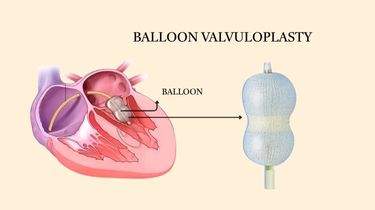
Balloon Valvuloplasty is a minimally invasive cardiac procedure used to treat narrowed heart valves, especially in conditions like mitral or aortic stenosis. During the procedure, a catheter with a balloon is inserted and guided to the affected valve. Once in place, the balloon is inflated to stretch and open the valve, improving blood flow and relieving symptoms like fatigue, shortness of breath, and chest discomfort.
SYMPTOMS
What are the signs that indicate the need for Balloon Valvuloplasty?
Patients suffering from valve narrowing may experience several noticeable symptoms. These can indicate that a medical evaluation is necessary and that Balloon Valvuloplasty might be required:
- Chest discomfort or tightness
- Feeling lightheaded or dizzy
- Irregular or rapid heartbeats (palpitations)
- Difficulty breathing, especially during activity or when lying down
- Swelling in the abdomen or legs (ascites and edema)
- Sudden or unexplained weight gain
- Risk of blood clots (thromboembolism) due to poor blood flow
RISK FACTORS
What are the potential risks of undergoing Balloon Valvuloplasty?
While Balloon Valvuloplasty is generally considered safe and minimally invasive, like all medical procedures, it carries certain risks. Patients should be aware of the following possible complications:
- Internal bleeding or formation of blood clots
- Loss of blood during or after the procedure
- Risk of infection at the catheter insertion site
- Irregular heartbeat or arrhythmia
- Impaired kidney function, especially in those with pre-existing conditions
- Possibility of stroke due to disrupted blood flow
- Valve leakage after the procedure
- In rare cases, life-threatening complications
PREPARATION
How should one prepare for Balloon Valvuloplasty?
Preparing for balloon valvuloplasty involves a few basic steps to ensure the safety and effectiveness of the procedure:
- Choose a trusted hospital in India with experienced heart specialists and good success records.
- Medical tests are needed before surgery, such as blood tests, an ECG (electrocardiogram), and urine tests, to confirm you are fit for the procedure.
- You will be asked to sign a form giving your consent for the procedure after understanding its details.
- Inform your doctor about any medicines you are taking, including herbal or over-the-counter drugs.
- Fasting is often required for several hours before the procedure. You might be admitted the day before surgery.
- Your doctor may advise you to stop taking blood-thinning medications 10 days before the procedure.
- The cost of balloon valvuloplasty in India generally starts from 3900 to 6000 USD, depending on the patient’s condition, hospital location, doctor’s experience, and the technology used.
Procedure – Balloon Valvuloplasty
Balloon valvuloplasty is a medical technique used to treat narrowed heart valves by improving blood circulation without the need for open-heart surgery. There are a few important steps in this minimally invasive procedure:
Step 1: Preparation and Sedation
The patient is given either general anesthesia or mild sedatives to ensure they remain calm and free from pain during the procedure.
Step 2: Accessing the Blood Vessel
A small cut is made, usually in the upper leg, to insert a thin, flexible tube (catheter) into a large artery. The heart is moved carefully with this tube.
Step 3: Positioning the Balloon
A special balloon that is attached to the tip of the catheter is gently inflated once it reaches the narrowed valve. The leaflets of the valve are separated by this expansion, which improves blood flow through the heart.
Step 4: Final Steps
After the valve has been widened, the balloon is deflated and withdrawn along with the catheter. The insertion point is closed using sutures, adhesive strips, or medical glue, and a dressing is applied.
Post-Procedure Care – Balloon Valvuloplasty
After undergoing balloon valvuloplasty, proper follow-up and lifestyle adjustments are essential for a healthy recovery and long-term results.
- Regular Monitoring: Periodic checkups, including blood tests and echocardiograms (usually every six months), help track heart function and detect any issues early.
- Medication Management: Patients are typically prescribed blood-thinning medications to prevent clot formation and reduce the risk of complications.
- Lifestyle Changes: It’s important to adopt a heart-healthy lifestyle. This includes quitting smoking, maintaining healthy cholesterol levels, managing blood pressure, and following a balanced diet.
- Watch for Warning Signs: Patients should seek immediate medical attention if they experience fever, unusual fatigue, difficulty breathing, or chest discomfort following the procedure.
Success Rate – Balloon Valvuloplasty Surgery
Balloon valvuloplasty is known to be a highly successful procedure, especially in cases of pulmonary valve narrowing. In well-selected patients and under expert hands, the procedure can achieve a success rate of up to 99%.
However, the outcome may vary depending on the following:
- The patient’s overall heart condition and age
- The severity and type of valve narrowing
- The medical center’s infrastructure and post-op care standards
- The skill and experience of the interventional cardiologist or cardiac surgeon
When performed at a well-equipped facility by a qualified specialist, balloon valvuloplasty offers excellent relief from symptoms and can delay or prevent the need for open-heart valve surgery.
FAQs
Frequently Asked Questions to Discuss with Your Cardiologist Before Balloon Valvuloplasty
- Are you a certified interventional cardiologist with experience in performing balloon valvuloplasty?
- Is this procedure performed regularly at your hospital or cardiac center?
- Based on my health history, am I an ideal candidate for this intervention?
- What is the estimated cost of this procedure, including pre- and post-operative care?
- Can you explain the expected outcome and typical recovery timeline?
- What complications or risks should I be aware of?
- Which cardiac hospitals in India offer the most advanced facilities for this surgery?
- What treatment plan would you recommend in my case, and why?
- If the results are not satisfactory, what alternatives are available?
- What are the pros and cons of choosing balloon valvuloplasty over open-heart valve surgery?
- How does the cost of balloon mitral valvotomy compare with other valve procedures?
- How long does the surgery usually take?
- What preparations are required before the procedure?
- How many days will I stay in the hospital after surgery, and when can I return home?
- What lifestyle adjustments or medications will I need afterward?
- When can I resume physical activity or work?
- Will I need stitches or any visible wound dressings?
- Is there a possibility of a scar or long-term physical impact?
- What type of improvement in symptoms should I expect?
- Could I need another intervention later in life?
- Are follow-up visits or additional diagnostic tests necessary?