Duration of Treatment
usually takes 5 to 7 hours
Days of Stay
usually 5 to 7 days in the hospital and 15 days outside the hospital.
Anesthesia
General anesthesia.
Cost
13000 to 17000 USD
Scoliosis Surgery Cost in India:
Scoliosis is a condition that causes an abnormal lateral curvature of the spine, typically diagnosed in children or adolescents, though it can also occur in adults. While mild cases may only require monitoring or bracing, severe spinal curvature often needs surgical intervention. India has become a preferred global destination for scoliosis surgery, offering world-class treatment at significantly lower costs than in Western countries.
This guide covers the cost of scoliosis surgery in India, types of procedures, leading hospitals, and the best spine surgeons available.
What is Scoliosis Surgery?
Scoliosis surgery is performed to correct the spinal curve, stop its progression, and stabilize the spine using metal rods, screws, and spinal fusion. It helps in:
- Improving spinal alignment
- Reducing chronic pain
- Preventing further complications (lung/nerve compression)
- Enhancing posture and appearance
Scoliosis Surgery Cost in India
The average scoliosis surgery cost in India ranges between USD 9,000 to USD 16,000, depending on factors like age, curve severity, type of implants used, and the complexity of the surgery.
Estimated Cost Range
|
Surgery Type
|
Cost in India (USD)
|
|
Spinal Fusion with Instrumentation
|
$9,000 – $12,000
|
|
Complex Spinal Deformity Surgery
|
$12,000 – $16,000
|
|
Revision Scoliosis Surgery
|
$14,000 – $18,000
|
These are inclusive packages covering the surgery, hospital stay, implants, ICU care, surgeon fees, anesthesia, and basic diagnostics.
What Affects the Cost of Scoliosis Surgery in India?
- Degree of spinal curvature
- Age of the patient (child vs adult)
- Type and number of implants used
- Surgeon’s experience
- Location and reputation of the hospital
- Pre- and post-surgical physiotherapy needs
Top Hospitals for Scoliosis Surgery in India
India is home to accredited spine centers with advanced surgical infrastructure:
- Medanta – The Medicity, Gurgaon
- Max Super Speciality Hospital, Delhi
- BLK-Max Super Speciality Hospital, Delhi
- Apollo Hospitals (Chennai, Delhi, Hyderabad)
- Artemis Hospital, Gurgaon
- Indian Spinal Injuries Centre, Delhi
- MGM Healthcare, Chennai
- Manipal Hospital, Bangalore
These hospitals are equipped with intraoperative neuromonitoring, neuro-navigation, and robotic-assisted surgery systems.
Best Spine Surgeons in India for Scoliosis Correction
India has a large pool of world-renowned spine surgeons specializing in spinal deformity correction, including scoliosis:
- Dr. Bipin Walia – Max Hospital, Delhi
- Dr. Rana Patir – Fortis Hospital, Gurgaon
- Dr. Hitesh Garg – Artemis Hospital, Gurgaon
- Dr. Sajan Hegde – Apollo Hospitals, Chennai
- Dr. Puneet Girdhar – BLK-Max Hospital, Delhi
- Dr. Arun Saroha – Max Super Specialty Hospital, Gurgaon
- Dr. Anandh Balasubramaniam – MGM Healthcare, Chennai
- Dr. Shibu Vasudevan Pillai – VPS Lakeshore Hospital, Kochi
- Dr. Saurabh Verma – Artemis Hospital, Gurgaon
- Dr. Vikas Gupta – Max Super Specialty, Saket
- Dr. Rahul Gupta – Fortis Hospital, Noida
These surgeons have performed hundreds of successful scoliosis corrections, using the latest international protocols.
Why Choose India for Scoliosis Surgery?
- Cost savings of 60–80% compared to US, UK, or Australia
- Internationally trained spine specialists
- Latest technologies: 3D spinal correction systems, neuromonitoring
- Hospitals with JCI and NABH accreditation
- Comprehensive medical tourism services for international patients
Medical Tourism Support for International Patients
Most top hospitals in India offer full assistance for international patients, including:
- Pre-travel teleconsultation and medical opinion
- Visa invitation letter and documentation
- Airport pickup and drop
- Language translators and interpreters
- Comfortable stay for patients and attendants
- Post-op rehab and remote follow-up
Recovery and Success Rate
Most scoliosis patients stay in the hospital for 5 to 7 days. Recovery includes physical therapy, light mobility within 1–2 weeks, and full recovery in 3 to 6 months depending on age and procedure.
India has a surgical success rate of over 90% for scoliosis correction, especially in adolescents and idiopathic cases.
SEO Keywords to Target
- Scoliosis surgery cost in India
- Spinal deformity treatment India
- Affordable scoliosis correction
- Best scoliosis surgeons in India
- Spinal fusion surgery India
- Pediatric scoliosis surgery India
- Scoliosis treatment medical tourism India
Meta Title: Scoliosis Surgery Cost in India – Affordable Spine Deformity Treatment
Meta Description: Learn about scoliosis surgery cost in India, advanced treatment options, top hospitals, and experienced spine surgeons. Get high-quality care at affordable prices.
Symptoms
What Are the Signs and Symptoms of a Slipped Disc?
A slipped disc, also known as a herniated or prolapsed disc, can press on nearby nerves and cause a range of discomforts. Symptoms can vary based on the location of the disc and the severity of nerve involvement.
Common Symptoms Include:
- Localized Pain: Sharp or persistent pain in the neck, lower back, or mid-back region.
- Radiating Pain: Pain that travels to the arms or legs, depending on the affected disc level.
- Nerve Irritation: Pain caused by nerve compression, often described as shooting or electric-like.
- Discomfort During Movement: Pain increases while walking, bending, or even sitting for long periods.
- Muscle Weakness: Difficulty lifting or holding items due to weakened muscles in the affected limb.
- Tingling or Numbness: A feeling of pins and needles or reduced sensation in certain areas of the body.
- Burning or Aching Sensation: A deep, burning discomfort that may worsen with activity.
Risk Factors
What Are the Risk Factors of Slipped Disc Surgery?
Surgery for a slipped disc, while often effective, carries potential risks like any surgical procedure. Understanding these risks can help you make informed decisions and prepare for recovery.
Potential Risks Include:
- Anesthesia Reactions: Possible side effects from general or spinal anesthesia, including nausea or breathing issues.
- Bleeding: Blood loss during or after surgery may occur, though usually minimal in most cases.
- Infection: Any surgical procedure carries a risk of infection at the incision site or deeper tissues.
- Spinal Fluid Leakage: There is a chance of cerebrospinal fluid leaking during the operation, which might need further treatment.
- Bladder or Bowel Issues: In rare cases, surgery may impact nearby nerves, affecting urinary or bowel control.
- Temporary Lightheadedness: Some patients feel dizzy or unsteady after surgery, typically a short-term effect.
- Nerve Damage: Although rare, there’s a risk of nerve injury, which could lead to numbness, weakness, or paralysis.
Preparation
How to Prepare for Slipped Disc Surgery?
Getting ready for slipped disc surgery involves several important steps to ensure a safe and successful outcome. Below are key guidelines to follow before the procedure:
- Select a Trusted Spine Care Facility: Begin by choosing a well-equipped hospital or clinic in India with experienced spine specialists and reasonable pricing for quality care.
- Understand the Cost: The approximate cost of slipped disc surgery in India ranges from USD 7,000 to 9,000, depending on the procedure type, surgeon’s expertise, hospital standards, and location.
- Undergo Pre-Surgery Evaluations (PSC): A full medical check-up is required, including blood tests, ECG, ECHO for heart evaluation, and urine analysis to confirm fitness for surgery.
- Sign the Consent Form: Before the procedure, you’ll need to give written consent confirming your agreement to undergo the surgery.
- Inform About Medications: Let your healthcare team know about any medicines or supplements you’re currently taking to avoid unwanted interactions.
- Fasting Before Surgery: You’ll be asked not to eat or drink anything several hours before surgery to reduce anesthesia-related risks.
- Discontinue Blood Thinners: Medications that affect blood clotting (such as aspirin or similar drugs) are usually stopped at least 10 days prior to surgery under medical advice.
Procedure
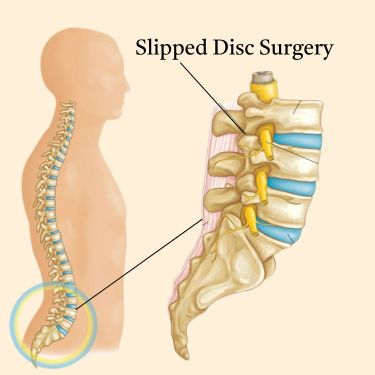
How is Slipped Disc Surgery Done?
Slipped disc surgery is considered when non-surgical treatments like rest, physiotherapy, or medication don’t reduce the symptoms. The main aim is to remove the part of the disc that presses on a nerve and causes pain or weakness. Below is a clear step-by-step guide to how the surgery is done:
- Before the Surgery
- Anaesthesia: The patient is given general anesthesia to ensure they are fully asleep and feel no pain during the operation.
- Body Position: The patient is carefully placed on their stomach so the doctor can access the spine easily.
- Making the Cut (Incision)
- Small Cut: In many cases, a small cut is made on the back to reach the disc. This is known as a minimally invasive method and causes less damage to the muscles.
- Larger Cut: If the disc is deeply placed or more complicated, a bigger cut may be made.
- Finding the Disc
- The muscles around the spine are gently moved aside.
- The surgeon then finds the disc that has slipped out of place and is pressing on the spinal nerve.
- Removing the Damaged Part
- Only the part of the disc that is pressing on the nerve is removed.
- If there are any bone pieces or extra tissue also causing pressure, they are also removed.
- Stabilizing the Spine (If Needed)
- Spinal Fusion: If the disc space becomes unstable after removal, the surgeon may join two or more bones (vertebrae) together to keep the spine steady.
- Artificial Disc: Sometimes, the damaged disc is replaced with an artificial one to keep the spine flexible.
- Closing the Cut
- After the disc is treated, the cut is closed using stitches or small metal clips.
- A bandage is placed over the area to keep it clean and avoid infection.
- After the Surgery
- The patient is moved to a recovery room and monitored until fully awake.
- Pain relief medicines are given as needed.
- Physical activity is slowly restarted with the help of a doctor or therapist.
- Most patients can walk within a day or two and return to light activities in a few weeks.
Types of Slipped Disc Surgery
- Discectomy – Taking out the part of the disc that is pressing on the nerve.
- Laminectomy – Removing a small part of the spinal bone to reduce pressure.
- Spinal Fusion – Joining two bones together to prevent movement.
- Artificial Disc Replacement – Putting in a new, man-made disc.
Possible Risks and Recovery
- Risks: Like any operation, there are small chances of infection, bleeding, or nerve damage.
- Healing Time: Most people start feeling better within a few weeks, but full recovery may take 1–3 months depending on the type of surgery and overall health.
Post-Procedure Care for Slipped Disc Surgery
After slipped disc surgery, proper care is essential to heal well, prevent problems, and get back to a healthy, active life. Below is a complete guide to what patients should expect and follow after the surgery:
- Right After Surgery
- Monitoring: After surgery, patients are taken to a recovery area where nurses check heart rate, blood pressure, and breathing.
- Pain Relief: Medicines are given to help control pain. These may include tablets or injections.
- Infection Control: If needed, antibiotics are given to prevent infection.
- Wound Care: The cut is covered with a clean dressing. Nurses check the area for swelling or discharge.
- Movement and Physical Activity
- Early Movement: Depending on the surgery type, patients may be asked to move or walk with help within a few hours.
- Walking: Short walks are encouraged within 1–2 days to improve blood flow and avoid stiffness.
- Avoid Heavy Tasks: No bending, twisting, or lifting heavy things during the first few weeks.
- Back Brace: A doctor may suggest wearing a back brace for extra support.
- Managing Pain
- Post-Surgery Pain: Some pain is expected after the surgery. It is usually managed with painkillers, cold packs, or gentle rest.
- Reducing Pain Medication: Over time, you’ll switch from stronger painkillers to simple medicines like paracetamol or ibuprofen.
- Exercise and Therapy
- Physiotherapy: After about 1–2 weeks, therapy usually begins to improve movement and strength.
- Stretching: Gentle stretching helps keep the spine flexible.
- Strength Building: Special exercises help build back and core strength to prevent future injury.
- Posture Training: Learning how to sit, walk, and lift correctly will help protect your spine.
- Follow-Up Visits
- Doctor Visits: You’ll have check-ups to make sure the wound is healing well and stitches are removed if needed.
- Scans (if needed): X-rays or MRIs might be done to confirm healing and proper spine alignment.
- Eating and Drinking
- Balanced Diet: Eat foods high in vitamins, protein, and calcium to support healing.
- Hydration: Drink plenty of water to keep your body healthy during recovery.
- Watch for Warning Signs
Call your doctor immediately if you notice:
- Worsening pain or swelling
- Redness, warmth, or pus at the wound site
- High fever or chills
- Difficulty in peeing or passing stool
- Numbness or weakness in the legs
- Swelling or pain in the legs (possible signs of blood clots)
- Lifestyle Adjustments
- Healthy Weight: Try to keep your weight in a healthy range to reduce strain on your spine.
- Ergonomic Setup: Use chairs, beds, and desks that support your back properly.
- Slowly Return to Activities: Most people can go back to normal activities within 6 to 8 weeks, but full recovery may take longer depending on the surgery.
- Avoid Harmful Habits
- No Smoking: Smoking slows down healing and increases risk of complications.
- Limit Alcohol: Avoid alcohol during recovery to support healing and prevent negative drug interactions.
- Full Recovery Timeline
- Most people recover enough to do normal activities within 6 to 12 weeks.
- Complete recovery, especially for complex cases, may take up to 6 months.
- Regular exercise and follow-up visits help maintains long-term results.
Conclusion
Following your doctor’s instructions and taking care of your body after slipped disc surgery is the key to a strong recovery. With patience, proper care, and healthy habits, you can enjoy a pain-free and active life again.
Success Rate of Slipped Disc Surgery in India
Slipped disc surgery in India has shown excellent success rates, with most patients experiencing significant relief from pain and improved mobility. The success rate typically ranges between 80% and 95%, depending on various medical and personal factors. Below is a breakdown of what contributes to successful surgical outcomes:
- Success Based on Surgery Type
- Discectomy: This is the most frequently performed procedure, where the herniated portion of the disc is removed. Success rates are around 80%–90%, with most patients reporting a noticeable reduction in nerve pain and discomfort.
- Minimally Invasive Spine Surgery (MISS): Techniques involving smaller incisions result in quicker recovery and less post-surgical pain. These procedures offer similar or slightly better success rates due to fewer complications.
- Spinal Fusion: In cases where spinal instability is present, fusion may be necessary. Success is measured by pain control and spinal support, with results ranging from 85%–90% depending on age and health.
- Artificial Disc Replacement: For suitable candidates, this offers long-term relief with preserved spinal movement. The outcome is often comparable to discectomy in terms of patient satisfaction and pain relief.
- Key Factors That Affect Surgical Success
- Early Diagnosis and Timely Surgery: Faster medical attention, especially when nerve symptoms are severe, can lead to better results.
- Patient’s Overall Health: Non-smokers, those with a healthy body weight, and no chronic conditions generally recover more smoothly and completely.
- Age and Physical Condition: Younger and active individuals often bounce back faster than older patients with multiple health concerns.
- Post-Surgery Care: Sticking to physical therapy sessions, posture correction, and lifestyle changes greatly boosts long-term success and avoids re-injury.
- Why Choose India for Slipped Disc Surgery?
India is known for delivering high-quality spine care at an affordable cost, attracting both domestic and international patients. Here’s why:
- Experienced Spine Surgeons: Surgeons in India are highly trained, with many performing thousands of procedures successfully.
- Advanced Surgical Technology: Hospitals in metro cities like Delhi, Mumbai, Bengaluru, and Chennai are equipped with robotic systems, navigation tools, and other innovations that improve accuracy and safety.
- Cost-Effective Packages: India offers cost-efficient treatment options without compromising on surgical quality or hospital infrastructure.
- Long-Term Benefits and Patient Outcomes
- Pain Reduction: The majority of patients experience significant pain relief within a few weeks.
- Mobility and Function: Regular rehabilitation and exercises help restore flexibility and core strength.
- Improved Quality of Life: Patients often return to daily activities, work, and hobbies within 6 to 12 weeks, depending on the procedure.
- Risks and Limitations
While rare, the following risks may slightly impact surgical success:
- Infection
- Recurrence of disc problems
- Nerve injury
- Delayed healing in certain patients
These risks are generally reduced when surgery is done at a reputed hospital under the care of an experienced specialist.
Conclusion
Slipped disc surgery in India offers a high success rate, especially when timely medical care, skilled surgeons, and proper rehabilitation are involved. Whether you need a simple discectomy or advanced spinal fusion, Indian hospitals provide quality care that combines affordability with excellent outcomes. Most patients not only recover well but also enjoy long-term freedom from pain and disability.