Duration of Treatment
usually takes 3 to 4 hours.
Days of Stay
Usually 5 to 6 days at the hospital and 20 days outside the hospital.
Anesthesia
General anesthesia.
Cost
8000 to 18000 USD
BONE CANCER TREATMENT COST IN INDIA
How Much Does It Cost to Treat Bone Cancer in India?
In India, bone cancer treatment is renowned for being reasonably priced without sacrificing quality. The expenses can vary depending on the stage of the disease, the chosen treatment plan, the hospital’s infrastructure, and the specialist’s experience.
Approximate Cost Breakdown:
- Surgery: $8,000 – $18,000 (based on complexity and implant type)
- Radiation Therapy: $3,800 – $5,800
- Chemotherapy: $300 – $600 per cycle (varies based on drug type)
- Accommodation (near hospital): $18 – $50 per day
- Daily Meals: $20 – $30 per day
- Miscellaneous expenses: Around $20 per day
Note: These are estimated costs. The final treatment plan and cost will be determined after a detailed medical evaluation.
Treatment charges differ from city to city, and are influenced by hospital reputation, doctor’s expertise, and the technologies used.
Leading Cancer Specialists for Bone Tumors in India
India is home to several experienced oncology surgeons who specialize in bone cancer. These doctors have vast experience in treating complex cases with advanced techniques. The list includes surgical, radiation, and medical oncologists known for their high success rates.
Some renowned professionals include:
- Dr. Surrender Kumar Dabas
- Dr. Arun Prasad
- Dr. Ashwin Rajagopal
- Dr. Vedant Kabra
- Dr. Subodh Chandra Pande
- Dr. B. Niranjan Naik
- Dr. Mahesh Bandemegal
- Dr. S.H. Hukku
- Dr. S.M. Shuaib Zaidi
- Dr. Harit Chaturvedi
- Dr. Kapil Kumar
- Dr. Rajesh Kapoor
Top Hospitals for Bone Cancer Treatment in India
India has many accredited hospitals offering cutting-edge cancer treatments. These facilities are equipped with modern technology and provide holistic care.
Reputed hospitals include:
- Manipal Hospital
- BLK Hospital
- Max Super Specialty Hospital
- Jaypee Hospital
- Apollo Hospital
- Fortis Hospital
- Global Hospital
- HCG Cancer Center
- Artemis Hospital
- Medanta – The Medicity
- Aster Hospital
- Yashoda Hospital
- Narayana Health
Why Choose India for Bone Cancer Treatment?
India offers a unique combination of medical excellence and affordability. Here’s why many patients from across the world choose Indian hospitals:
- Transparent medical care system
- Personalized treatment plans tailored to patient budgets
- Highly qualified and skilled surgical teams
- International-standard technologies and facilities
- High procedure success rates
- Affordable accommodation and logistical support
What Is Bone Cancer?
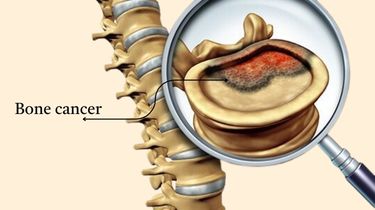
Bone cancer starts in the bone tissue and can be either primary (originating in the bone) or secondary (spreading from another organ). Though relatively uncommon, it requires prompt and specialized treatment.
Common Types of Primary Bone Cancer:
- Osteosarcoma: Most common among children and young adults
- Ewing Sarcoma: Typically affects teens and young adults
- Chondrosarcoma: Seen more in adults, arises from cartilage cells
- Chordoma: An uncommon condition that typically affects the base of the skull or spine
Metastatic Bone Cancer:
This type occurs when cancer from organs like the lungs, breasts, or prostate spreads to the bones. It is more frequent than primary bone tumors.
How Is Bone Cancer Diagnosed?
Doctors may use a combination of the following diagnostic tools:
- X-rays and Scans (CT, MRI, PET): To detect abnormal growth
- Biopsy: A sample is taken for pathological evaluation
- Blood Tests: May reveal cancer-specific indicators
Symptoms
What Are the Symptoms of Bone Cancer?
Bone cancer can affect people in different ways, but some symptoms are commonly seen in many patients. These signs may appear gradually or become more noticeable over time.
- Pain in the Bone
Ongoing pain in the affected bone, which may worsen at night or with movement.
- Swelling or a Lump
The area around the tumor may become swollen, and a hard lump may be felt.
- Weakened Bones
Bones may become fragile and break easily, even without a major injury.
- Feeling Tired Often
A constant lack of energy or tiredness that doesn’t go away with rest.
- Losing Weight Without Trying
Unexplained weight loss that is not related to changes in diet or activity.
Risk Factors
What Are the Risk Factors for Bone Cancer?
Several factors can increase a person’s chances of developing bone cancer. These do not guarantee that cancer will occur, but they may raise the likelihood:
- Past Chemotherapy Treatment
People who have received chemotherapy for other types of cancer may face a higher risk.
- Inherited Genetic Conditions
Some rare genetic syndromes passed through families may make bone cancer more likely.
- Previous Radiation Exposure
Radiation therapy, especially in high doses, may increase the risk of bone tumors over time.
- Existing Bone Conditions
The risk may be increased by certain non-cancerous bone growths or long-term bone disorders.
- History of Benign Bone Tumors
Having had non-cancerous bone tumors may be linked with a higher chance of developing cancerous ones later.
Preparation
How Should You Get Ready for Bone Cancer Treatment?
Preparing for bone cancer treatment involves several important steps that help ensure your safety, increase the chances of a successful outcome, and reduce complications. Here’s what to expect:
- Choose a Trusted Cancer Care Center
Select a well-equipped hospital in India known for treating bone cancer with advanced methods and skilled specialists.
- Understand the Treatment Cost
The overall expense for bone cancer treatment in India usually ranges between USD 8,000 to USD 18,000, depending on the hospital, location, surgeon’s experience, and type of procedure recommended.
- Complete Pre-Treatment Evaluations
Patients typically undergo diagnostic tests including blood work, ECG, and urine analysis to confirm their fitness for surgery and treatment.
- Consent and Legal Formalities
Before the procedure, you’ll be asked to sign a consent form that officially allows the surgical team to proceed with the planned treatment.
- Medication Review
Share a list of all current medicines with your doctor, including over-the-counter drugs and supplements. This helps avoid interactions during surgery.
- Hospital Admission and Fasting
Patients are often admitted a day before the procedure and advised to avoid eating or drinking for a certain period before surgery.
- Stop Blood Thinners in Advance
If you’re taking blood-thinning medications, your doctor will likely recommend stopping them about 10 days before surgery to prevent excessive bleeding.
- Anesthesia and Pain Management Plan
Many patients receive spinal or epidural anesthesia during surgery, which numbs the lower body. A small catheter is also used to deliver pain relief afterward.
Procedure
How is Bone Cancer Treatment Carried Out?
Bone cancer diagnosis and treatment necessitate a comprehensive assessment by experts. Initial investigations may include blood tests, biopsy, X-rays, ultrasound, CT scans, MRI, or PET imaging to understand the nature and extent of the tumor. Before proceeding with treatment, the medical team explains the procedure, risks, and expected outcomes to the patient.
The choice of treatment depends on the type, location, and stage of the bone cancer, as well as the patient’s overall health.
Common Treatment Approaches:
- Surgery
For the treatment of many bone cancers, surgery is essential. The removal of the tumor and any surrounding damaged tissue is the main objective. In some cases, it may involve limb-sparing surgery or, if necessary, amputation.
- Chemotherapy
Chemotherapy involves the use of drugs to destroy cancer cells or stop them from spreading. Depending on the kind of bone cancer, it is frequently used either before or after surgery. However, it’s typically not effective for certain types, such as chondrosarcoma.
- Radiation Therapy
This approach uses high-energy rays to target and eliminate cancer cells. Radiation is commonly recommended after surgery or when surgery isn’t possible. It plays a major role in treating types of bone cancer that are resistant to chemotherapy.
Prognosis
The outlook for bone cancer varies from patient to patient. Factors that influence recovery include the cancer’s type and stage, the patient’s age, overall health, and how the tumor responds to treatment. Advances in surgical techniques and drug therapies have significantly improved outcomes, especially when diagnosed early.
Support & Aftercare
Living with bone cancer involves more than just medical treatment. Emotional and psychological support is equally important. Patients can benefit from counseling, support groups, and educational guidance throughout their recovery journey. Hospitals and care centers often provide access to rehabilitation and mental health support services to help improve quality of life during and after treatment.
Post Procedure
How to Take Care After Bone Cancer Surgery?
Proper post-operative care is essential for recovery after bone cancer surgery. It supports healing, reduces complications, and helps patients regain strength and function.
- Immediate Post-Surgery Care
- Pain Management
Patients are usually given prescribed pain medications to reduce discomfort and inflammation. Always take prescription drugs as directed by your physician.
- Wound Care
Keep the surgical site clean and dry. Follow your care team’s instructions on dressing changes and hygiene to reduce the risk of infection.
- Infection Watch
Monitor the area for signs of infection such as redness, swelling, warmth, or unusual discharge. Fever may also indicate infection—inform your doctor immediately if symptoms arise.
- Hospital Recovery
Depending on the type and extent of surgery, a hospital stay of a few days may be required for monitoring and support.
- At-Home Recovery
- Follow-Up Visits
Attend all follow-up appointments with your surgeon and oncologist to ensure proper healing and detect any early complications.
- Physical Rehabilitation
Regaining strength and mobility frequently requires physical therapy.
- Your therapist will create a personalized exercise plan to suit your recovery phase.
- Restricted Activities
Avoid lifting heavy objects, strenuous exercise, or putting pressure on the surgical area until cleared by your doctor.
- Healthy Diet
Eat a well-balanced diet rich in protein, calcium, and vitamin D to promote bone healing. Stay hydrated and avoid processed foods.
- Medication Compliance
Continue all prescribed treatments, including antibiotics, anti-inflammatories, or supplements, exactly as directed.
- Long-Term Recovery and Monitoring
- Extended Rehabilitation
Ongoing physical or occupational therapy may be required, especially if a limb was reconstructed or partially removed.
- Bone Health Maintenance
Maintain strong bones with weight-bearing exercises, healthy lifestyle habits, and by avoiding smoking and excessive alcohol.
- Surveillance for Recurrence
Regular scans, X-rays, or blood tests may be scheduled to monitor for any signs of cancer returning.
- Emotional Well-being
Psychological support is important. Consider joining a cancer recovery group or speaking to a counselor to manage stress and emotional changes.
- Special Care Instructions
- Prosthetics or Implants
If an artificial limb or metal implant was used during surgery, follow specific care guidelines to prevent damage or complications.
- Lifestyle Adjustments
You may need to modify your home or work environment for safety and ease of mobility. Use assistive devices as recommended.
Success Rate
What Is the Success Rate of Bone Cancer Surgery?
The success of bone cancer surgery can vary based on several key factors, including the type of bone cancer, how far it has progressed, the patient’s age and health condition, and the type of treatment plan followed. Below is a detailed breakdown to help understand what influences surgical outcomes.
Factors That Influence Success
- Cancer Type
Different types of bone cancer have different outlooks:
- Osteosarcoma and Ewing sarcoma are more aggressive and may require combination treatments.
- Chondrosarcoma and other rare types often progress more slowly, with differing treatment responses.
- Stage at Diagnosis
- Cancers diagnosed early, before spreading, have much better outcomes.
- Once the cancer spreads beyond the bone, the chances of a full recovery are reduced.
- Surgical Margins
- The entire tumor is usually removed during a successful surgery, leaving a margin of healthy tissue. The chance of recurrence is greatly decreased by clean surgical margins.
- Patient’s Health
- General fitness, immunity, and the absence of chronic diseases help the body recover better after surgery.
- Supportive Treatments
- Chemotherapy and radiation therapy, when used alongside surgery, may improve outcomes and help lower the chance of the cancer returning.
Survival Rates Based on Spread
Survival is often measured over a five-year period from diagnosis:
- Cancer Confined to the Bone:
Success rate is relatively high, with about 70–80% of patients surviving five years or more after surgery.
- Cancer Spread to Nearby Areas:
When cancer reaches surrounding tissues or lymph nodes, the five-year survival rate typically falls to around 50–60%.
- Widespread Cancer (Metastatic):
If cancer has spread to distant organs, such as the lungs, survival drops to around 20–30%.
Specific Survival Rates by Type
- Osteosarcoma
- 60–80% 5-year survival (localized)
- Around 30% 5-year survival (metastatic)
- Ewing Sarcoma
- 70–80% 5-year survival (localized)
- Roughly 30% if the disease has spread
- Chondrosarcoma
- Low-grade tumors often have a 5-year survival rate above 80%, especially when diagnosed early.
Ways to Improve Outcomes
- Early Detection
Finding bone cancer in its initial stages leads to better chances of complete surgical removal and cure.
- Modern Surgical Techniques
Techniques such as limb-sparing surgery and precise reconstruction have replaced amputation in many cases, with good success.
- Combined Treatments
Using a multidisciplinary approach—blending surgery with chemotherapy, radiation, or targeted therapy—can greatly improve overall results.
Note: These figures are general averages. A patient’s individual success rate will depend on their specific diagnosis and treatment plan. It is best to consult with your oncologist or surgeon for personalized information regarding outcomes and expectations.
Lorem ipsum dolor sit amet, consectetuer adipiscing elit, sed diam nonummy nibh euismod tincidunt ut laoreet dolore magna aliquam erat volutpat.