Duration of Treatment
usually takes 10 to 14 hours
Days of Stay
usually 21 days
Anesthesia
General
Cost
4000 to 50000 USD
Hand Transplant Surgery Cost in India
How Much Does Hand Transplant Surgery Cost in India?
In India, the cost of hand transplant surgery typically ranges between $40,000 to $50,000 USD, depending on the patient’s condition, the hospital, and the expertise of the surgical team. This price usually includes pre-surgical evaluation, the surgical procedure, and a hospital stay of approximately 21 days. The operation itself is long and intricate, lasting around 10 to 14 hours, and is performed under general anesthesia.
Additional Expenses:
- Nearby accommodation: Budget hotels range from $18 to $50 USD per day.
- Daily food: Estimated around $20 to $30 USD.
- Miscellaneous costs: Such as local transport or extra services may cost around $20 USD per day.
Top Hand Transplant Surgeons in India
India is home to highly trained hand transplant specialists. Here are five well-known surgeons who are known for their exceptional skill:
- Dr. Subramania Iyer led India’s first double hand transplant in 2015 at the Amrita Institute of Medical Sciences in Kochi.
- Dr. S. Raja Sabapathy is the department head at Ganga Hospital in Coimbatore. He has been performing intricate hand and microsurgery procedures for decades.
- Dr. Anubhav Gupta – A leading plastic and reconstructive surgeon at Sir Ganga Ram Hospital, New Delhi, known for advanced surgical precision.
- Dr. Mohit Sharma has over 30 years of experience and is one of India’s pioneers in vascularized composite allotransplantation (VCA).
- Dr. Nilesh Satbhai – Based in Mumbai, he performed India’s first bilateral hand transplant in a quadruple amputee and continues to push boundaries in reconstructive surgery.
Milestones Achieved by Indian Surgeons:
- First bilateral hand transplant in Western India (2020)
- First successful hand transplant in a quadruple amputee (2021)
- First partial hand transplant in India (2022)
- First transplant for congenital hand absence
What Is Hand Transplant Surgery?
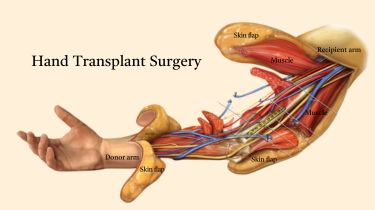
Hand transplant, also called vascularized composite allotransplantation (VCA), is a complex operation where a hand from a donor is surgically attached to a recipient. This involves the meticulous connection of skin, muscles, blood vessels, nerves, tendons, and bones. The surgery can last from 12 to 24 hours, and requires a specialized, multidisciplinary team.
Over 300 hand and arm transplants have been successfully performed worldwide. In India, only select hospitals are equipped with the expertise and infrastructure to carry out these highly specialized surgeries.
Symptoms
Why Is Hand Transplant Surgery Needed?
Hand transplant surgery is typically considered for people who have lost one or both hands, or whose hands no longer function due to severe injury, illness, or birth conditions. Below are the primary medical and functional reasons why someone may need this complex procedure:
- Traumatic Amputation
- Accidents: People who experience serious accidents, such as industrial or road traffic incidents, may lose one or both hands. In such cases, prosthetics may not provide sufficient functionality, making a transplant a viable option.
- Combat Injuries: Soldiers or defense personnel who suffer blast or gunshot injuries may undergo amputation of the hands, which can significantly affect daily life.
- Medical Conditions
- Severe Infections: Infections like gangrene or sepsis can lead to the death of tissues in the hand, requiring amputation to protect the rest of the body.
- Cancer: In some cases, aggressive tumors in the hand area might necessitate surgical removal of the entire hand when other treatments fail.
- Congenital Hand Abnormalities
- Birth Defects: Some individuals are born with underdeveloped or malformed hands that severely limit their ability to function normally. If reconstructive procedures are not enough, a hand transplant may be explored.
- Permanent Loss of Hand Function
- Nerve Injuries: Conditions like brachial plexus injury can result in complete hand paralysis. If recovery is not possible, transplant surgery may offer a functional solution.
- Severe Burns: Burns that destroy muscles, tendons, and skin beyond repair may make the hand non-functional, leading doctors to recommend a transplant.
- Enhancing Quality of Life
- Daily Independence: A hand transplant can help patients regain the ability to perform essential daily tasks, such as eating, writing, and dressing.
- Emotional and Mental Well-being: Having a functional, natural-looking hand can restore self-confidence and reduce psychological distress, especially for those who feel limited by prosthetics.
Benefits of Undergoing Hand Transplant Surgery
- Improved Function: The ability to grasp, lift, and feel sensations returns, often more naturally than with artificial limbs.
- Better Appearance: Transplanted hands offer a more natural appearance than prosthetics, helping individuals feel more comfortable in social settings.
- Emotional Recovery: Regaining lost capabilities can have a profound positive impact on a patient’s mental health and overall sense of well-being.
Important Considerations Before Hand Transplantation
- Long-Term Medication: Patients must commit to taking immunosuppressant drugs throughout life to prevent the body from rejecting the new hand.
- Potential Risks: There is a chance of complications such as infections, tissue rejection, and side effects from medication.
- Rehabilitation Commitment: Physical therapy after surgery is intensive and prolonged, sometimes lasting months or years, to help restore function and strength.
Conclusion
Hand transplant surgery provides hope for individuals who have lost one or both hands or live with severely impaired hand function. It can restore both physical ability and emotional stability. However, it requires careful evaluation, lifelong medical care, and a strong commitment to rehabilitation.
Risk Factors of Hand Transplant Surgery
What Are the Risks Involved in Hand Transplant Surgery?
While hand transplant surgery offers a chance to regain physical capability and independence, it also involves several potential risks. Below are the main challenges associated with the procedure:
- Risk of Rejection
- Immediate Rejection: The immune system may treat the new hand as foreign and attack it shortly after the transplant.
- Long-Term Rejection: Over time, the body might slowly reject the transplant, reducing its function.
- Risk of Infection
- At the Surgical Site: Infections at the location of surgery can hinder recovery.
- Throughout the Body: The medications used to suppress the immune system can make patients more vulnerable to general infections.
- Complications from Anti-Rejection Medications
- Side Effects: These drugs can lead to conditions such as high blood pressure, kidney issues, and increased body weight.
- Cancer Risk: Long-term use of immune-suppressing drugs may raise the risk of developing some cancers.
- Recovery and Functionality Issues
- Limited Improvement: Full functionality may not always be restored, and outcomes vary between patients.
- Extended Rehabilitation: Months or even years of therapy may be needed to regain strength and coordination.
- Mental and Emotional Challenges
- Adjustment Problems: Some patients find it difficult to mentally accept the new hand as part of their body.
- Psychological Stress: The uncertainty of results and the burden of long-term treatment can affect mental health.
- Surgical and Technical Risks
- Blood Flow Problems: Poor circulation in the new hand can lead to tissue damage or failure of the transplant.
- Slow Nerve Healing: Recovery of sensation and motor control may take a long time and might not be complete.
- Cost and Availability
- High Expenses: The cost includes surgery, medication, and rehabilitation, making it unaffordable for many.
- Limited Resources: Access to skilled surgeons and suitable donors can be difficult and may delay treatment.
Conclusion
Hand transplant surgery is a complex and high-risk procedure. Success depends on the patient’s health, immune system response, access to continuous care, and dedication to rehabilitation. Each case is carefully reviewed to ensure that the patient is prepared to face the physical and emotional demands of the journey ahead.
Preparation
How to Prepare for Hand Transplant Surgery
Getting ready for a hand transplant is a detailed process that requires input from medical professionals across various fields. Here’s an overview of what a person typically goes through before the procedure:
- Medical Check-Up
- A full health review is done to check if the person is fit for surgery.
- Blood tests are used to match the patient with a suitable donor.
- Tests on the immune system help predict how the body might respond to a new hand.
- Mental Health Evaluation
- Specialists check if the person is emotionally and mentally prepared for the challenges that come with this type of surgery.
- They also evaluate whether the patient has a good support system — like family or close friends — to help them through recovery.
- Pre-Surgery Counseling
- Doctors explain the possible risks, results, and what the long-term journey looks like.
- The patient learns about medications they’ll need to take to prevent the body from rejecting the new hand.
- Getting Physically Ready
- A healthy diet is important to help with healing.
- Exercises or therapy may be given to strengthen the arm or body before surgery.
- Planning and Coordination
- The transplant team works closely with the patient to schedule and plan all steps of the procedure.
- Hospitals prepare special equipment and rooms in advance.
- Legal and Ethical Steps
- Patients must sign documents showing they fully understand the procedure and its consequences.
- Hospitals may also seek approval from ethics committees before going ahead.
- Pre-Operative Testing
- Imaging like X-rays or MRI scans help surgeons plan the operation.
- The blood vessels are also examined by doctors to ensure that they can support the transplanted hand.
- Pre-Surgery Guidelines
- Patients may be told not to eat or drink for several hours before the surgery.
- Instructions are given about which regular medicines can or cannot be taken.
- Planning for After Surgery
- A recovery plan is put in place, including physical therapy to help regain movement and strength.
- In order to keep an eye on healing and adjust treatment if necessary, follow-up visits are scheduled.
- Special Considerations
- Finding a Donor: Matching the patient with a suitable donor can take time.
- Costs: Expenses may include the surgery, hospital stay, medication, and therapy.
- Access to Care: Not all hospitals offer this procedure, so traveling may be needed.
- Researching Facilities: Patients are encouraged to find hospitals experienced in hand transplants.
Conclusion
Preparing for hand transplant surgery involves much more than just the operation itself. It takes time, dedication, and teamwork between doctors and the patient. When everything is carefully planned, the chances of a successful outcome and long-term recovery improve significantly.
Procedure
What is the Procedure for Hand Transplant Surgery?
Hand transplant surgery is a complex and delicate operation that involves attaching a donor hand to a recipient. This procedure is carried out in several stages, requiring a team of experts from various medical fields.
- Preoperative Stage
- Medical and Psychological Evaluation
The patient undergoes a full health check to assess suitability for surgery. Mental preparedness is equally important, as the surgery demands lifelong commitment to medication and therapy.
- Finding a Suitable Donor
Doctors search for a hand donor with a matching blood group and compatible tissue type. The donor hand must closely resemble the patient’s own in terms of size, skin tone, and anatomy.
- Informed Consent and Counseling
The patient is educated about the entire process, including risks, possible side effects, and recovery expectations. This includes understanding the use of immune-suppressing drugs needed to prevent rejection.
- Physical Readiness
Patients may undergo physical therapy to strengthen muscles and improve mobility in the remaining arm before the transplant.
- Surgical Procedure
- Anesthesia
General anesthesia is administered so the patient remains unconscious and pain-free during the surgery.
- Donor Hand Preparation
The hand is carefully removed from the donor with all necessary tissues—bones, nerves, vessels, tendons, and skin—preserved and cooled until transplantation.
- Recipient Site Preparation
The area on the patient’s arm is cleaned and shaped for the transplant. Non-functional tissues are removed, making space for the donor hand.
- Bone Connection
The bones from the donor hand are aligned with the recipient’s bones and joined using surgical plates and screws to ensure stability.
- Reconnecting Blood Vessels
Arteries and veins from both the donor and the recipient are connected using microsurgical techniques. This restores blood circulation to the new hand.
- Nerve Linking
The surgeon connects major nerves, which are critical for the hand to regain feeling and movement over time.
- Tendon and Muscle Integration
Muscles and tendons are attached so the transplanted hand can eventually move and function like a natural one.
- Closing the Incision
After all internal structures are joined, the skin is carefully stitched, and the hand is bandaged and stabilized to begin the healing process.
Post-Procedure
Postoperative Care After Hand Transplant Surgery
- Intensive Medical Monitoring
After surgery, the patient is kept under close observation in a specialized care unit. Doctors monitor for early signs of complications such as rejection or infection. Regular blood tests and scans are done to check how the new hand is functioning.
- Immunosuppressive Medication
The body naturally tries to reject foreign tissue. To prevent this, patients must take immunosuppressant drugs for life. These medications lower the body’s immune response, helping the transplanted hand to be accepted. Doctors frequently review the dosage and manage side effects.
- Rehabilitation and Therapy
Intensive physiotherapy starts shortly after the transplant. This includes exercises to help restore muscle strength, finger movement, and coordination. Occupational therapy helps patients adapt to using the new hand in daily tasks. Progress can be slow, but regular sessions are crucial for long-term success.
- Regular Follow-Up Visits
Ongoing medical checkups are essential to track recovery. Doctors assess nerve function, muscle activity, and healing progress. Medication may be adjusted based on test results. Psychological support may also be offered to help patients adjust emotionally and mentally to the new hand.
Possible Risks and Complications
- Rejection of the Transplant
Even with medication, there is always a chance that the body may reject the transplanted hand. This can be either sudden or develop gradually over time.
- Infections
Immunosuppressive drugs make the patient more vulnerable to infections. Even minor infections can become serious if not treated early.
- Limited Functionality
Some patients may not regain full hand movement or strength. Recovery outcomes vary depending on age, overall health, and the quality of rehabilitation.
- Side Effects of Medication
Long-term use of immunosuppressants can cause issues such as high blood pressure, diabetes, weight gain, or an increased risk of certain cancers.
Conclusion
Recovery from a hand transplant is a long-term journey that goes beyond surgery. Success relies on expert medical care, strict medication routines, and continuous therapy. While the procedure offers a chance to regain independence and improve quality of life, patients must remain committed to their post-surgery plan to achieve the best outcomes.
Success Rate of Hand Transplant Surgery
Hand transplant surgery, also known as vascularized composite allotransplantation (VCA), offers a promising option for individuals who have lost one or both hands. The likelihood of a successful outcome can vary, depending on multiple factors such as patient health, surgical precision, rehabilitation, and adherence to long-term treatment plans.
Key Success Factors:
- Survival of the Transplanted Hand
Most transplanted hands remain viable for years if the immune system is properly managed. The survival rate is generally high, particularly within the first few years after the surgery.
- Functional Improvement
Many recipients regain meaningful use of the transplanted hand, such as grip strength and dexterity. The return of sensation and movement can take several months or longer and varies from patient to patient.
- Managing Rejection
Although episodes of rejection are common, they can usually be controlled with medication adjustments. Long-term success often depends on strict compliance with immunosuppressive therapy.
- Short-Term Outcomes
In the early weeks following surgery, the transplanted hand typically shows good signs of integration and healing. Early survival rates are typically above 85–90%.
- Long-Term Benefits
Over time, many patients experience steady progress in function and report a better quality of life. Studies suggest that 60–80% of recipients achieve satisfying results years after the procedure.
What Influences Success:
- Patient Eligibility
Best outcomes are seen in individuals with stable health, strong mental resilience, and a commitment to rehabilitation.
- Surgical Expertise
Transplants performed by experienced surgical teams in specialized centers have a higher chance of success.
- Rehabilitation and Aftercare
Long-term physical therapy and regular follow-up appointments are essential. Consistency in care significantly enhances functional recovery and reduces complications.
Challenges to Consider:
- Lifelong Medication
Ongoing immunosuppressive therapy is required to prevent rejection, but it can lead to side effects such as infections or metabolic changes.
- Lengthy Recovery
Functional recovery takes time and effort. Not all patients regain full use or sensation, and progress may be gradual.
Conclusion
While hand transplant surgery is complex, it offers a viable path to regaining independence and function for those who qualify. With careful planning, expert surgical care, and dedicated follow-up, the procedure can lead to positive long-term outcomes. However, commitment to lifelong treatment and rehabilitation remains essential to ensure sustained success.
(FAQs) – Hand Transplant Surgery
- What is hand transplant surgery?
Hand transplant surgery is a complex procedure where a donor hand (or hands) is surgically attached to a recipient who has lost their hand due to injury or illness. It involves connecting nerves, blood vessels, muscles, and bones.
- Who is an ideal candidate for a transplant of the hand?
Candidates are typically individuals who have lost one or both hands and are in good overall health. They should not have major medical conditions and must be willing to take lifelong medications to prevent organ rejection.
- How long does the surgery take?
The surgery can last anywhere from 8 to 18 hours, depending on the complexity and whether one or both hands are being transplanted.
- Will I regain full function of the transplanted hand?
Function varies by individual. Many patients regain sensation and partial movement, but complete function like before the injury may not be possible. The quality of post-surgical rehabilitation often determines success.
- What kind of medications are required after the surgery?
Patients must take immunosuppressive drugs daily for life to prevent their body from rejecting the transplanted hand.
- What are the risks associated with hand transplant surgery?
The main risks include rejection, infection, complications from medication, and incomplete recovery of hand function.
- How long is the recovery period?
Recovery can take months to years. Physical therapy begins soon after surgery and continues until the hand achieves optimal function.
- Is the surgery available in India?
Yes, hand transplant surgery is available in select, highly specialized hospitals in India, performed by experienced transplant surgeons.
- Can children undergo hand transplant surgery?
In rare cases, yes. However, strict medical and psychological evaluations are done before approval. The majority of transplants are performed on adults.
- What is the success rate of hand transplant surgery?
Success rates vary but are generally improving due to advancements in surgical methods and medication. Many patients experience significant improvement in their daily functioning.