Duration of Treatment
usually took 3 to 5 hours.
Days of Stay
usually 7- 8 days at the hospital and 30 days in the hotel.
Anesthesia
General anesthesia.
Cost
12000 to 15000 USD
BLADDER CANCER TREATMENT COST IN INDIA
How Much Does Bladder Cancer Treatment Cost in India?
Are you searching for affordable bladder cancer treatment in India or the best cancer hospitals in cities like Delhi, Mumbai, Chennai, Kolkata, and Bangalore? Below is a comprehensive guide to the estimated treatment costs, top hospitals, experienced oncologists, and how to plan your medical journey in India.
Our selection of top hospitals and surgeons is based on global standards, years of experience, success rates, and patient satisfaction.
Estimated Cost of Bladder Cancer Treatment in India
|
Treatment Component
|
Estimated Cost (in USD)
|
|
Bladder Cancer Surgery
|
5,000 – 12,000
|
|
Radiation Therapy
|
3,800 – 5,800
|
|
Chemotherapy (per cycle)
|
300 – 600
|
|
Hotel Stay Near Hospital
|
18 – 50 per night
|
|
Food Expenses
|
20 – 30 per day
|
|
Miscellaneous (transport, local care)
|
20 per day
|
Note: These are estimated ranges. Final treatment plans are confirmed after complete medical evaluation and diagnosis. Costs may vary based on hospital facilities, location, oncologist experience, and additional treatments.
Top Bladder Cancer Surgeons in India
Among the top bladder cancer specialists and cancer surgeons are:
- Dr. Surrender Kumar Dabas – Surgical Oncologist
- Dr. Arun Prasad – Oncologist
- Dr. Ashwin Rajagopal – Oncologist
- Dr. Vedant Kabra – Oncologist
- Dr. Subodh Chandra Pande – Radiation and CyberKnife Specialist
- Dr. B Niranjan Naik – Oncologist
- Dr. Mahesh Bandemegal – Surgical Oncologist
- Dr. S Hakku – Radiation Oncology
- Dr. S M Shuaib Zaidi – Oncologist
- Dr. Harit Chaturvedi – Surgical Oncologist
- Dr. Kapil Kumar – Cancer Surgeon
- Dr. Rajesh Kapoor – Oncologist
Best Hospitals for Bladder Cancer Treatment in India
India’s most reputable and cutting-edge cancer treatment hospitals include:
- Manipal Hospital
- BLK Hospital
- Max Hospital
- Jaypee Hospital
- Apollo Hospital
- Fortis Escorts Hospital
- Global Hospital
- HCG Cancer Hospital
- Artemis Hospital
- Medanta The Medicity
- Aster CMI Hospital
- Yashoda Hospital
- Narayana Hospital
What is Bladder Cancer?
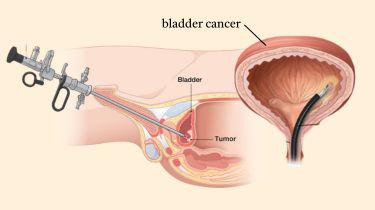
The tissues of the bladder, a hollow organ in the pelvis that stores urine, are where bladder cancer begins. The disease may spread to nearby lymph nodes or distant parts of the body such as the liver, lungs, and bones.
It is more common in older adults and affects men more often than women.
Types of Bladder Cancer
- Urothelial Carcinoma – most common
- Squamous Cell Carcinoma
- Adenocarcinoma
Symptoms
Bladder Cancer: Signs and Symptoms
Bladder cancer can affect how the body stores and passes urine. Recognizing the early signs is important for timely diagnosis and treatment. Here are the most common symptoms people may notice:
Key Symptoms
- Need to Urinate Often
Feeling the urge to pass urine more frequently than usual.
- Unusual Urine Color
Urine may turn pink, red, or orange, which could be a sign of bleeding inside the bladder.
- Burning or Pain While Urinating
A sharp or uncomfortable feeling during urination.
- Urge Without Flow
Feeling like the bladder is full and needing to urinate, but little or no urine comes out.
- Blood in the Urine
Blood may be clearly visible or only found through a lab test.
- Pain in the Lower Back or Pelvic Area
Aching or discomfort, usually on one side, that doesn’t go away.
Bladder Cancer – Risk Factors
Several things can increase the chance of getting bladder cancer. These include habits, lifestyle, and health conditions:
- Use of Tobacco
People who smoke or chew tobacco have a higher chance of developing bladder problems, as harmful substances pass through the urinary system.
- Getting Older
The risk rises with age. Most cases are found in people over 55 years old.
- Gender Differences
Compared to women, men are more likely to receive a bladder cancer diagnosis.
- Bladder Irritation Over Time
Long-lasting infections or swelling in the bladder can increase the risk.
- Family Health History
If a close family member has had bladder cancer, the chance may be higher.
- Chemical Exposure
People who work with certain factory chemicals, like in dye or leather processing, may face a greater risk.
Preparation for Bladder Cancer Surgery
Preparing for bladder cancer surgery is an important step toward recovery. The following guidelines can help patients get ready for the procedure both medically and mentally:
Key Preparations:
- Select a Reliable Hospital
Look for a hospital that offers bladder cancer treatment with experienced doctors, good facilities, and a reasonable cost.
- Know the Estimated Cost
Surgery for bladder cancer in India typically costs between $5,000 and $12,000, depending on the hospital, the procedure, and the experience of the surgeon.
- Medical Tests Before Surgery
Patients need to go through a medical evaluation that may include blood tests, heart checkups (ECG and ECHO), and urine tests to confirm they are fit for surgery.
- Share Your Health Details
Tell your doctor about any regular medications or health problems so they can adjust your treatment plan safely.
- Consent Form
Before surgery, you will be asked to sign a form giving your permission to carry out the operation after the details are explained.
- Avoid Certain Medicines
Medicines that thin the blood may need to be stopped at least 10 days before surgery, as advised by your doctor.
- Fasting Before Surgery
Patients are often asked not to eat or drink for a few hours before the operation.
- Hospital Admission
Admission is usually done a day before the surgery for last-minute checks and preparation.
- Type of Anesthesia
Most bladder surgeries are done under spinal or epidural anesthesia, where the lower body is numbed. During and after the procedure, a thin tube is inserted into the back to help control pain.
Procedure
What Are the Best Treatment Options for Bladder Cancer?
Bladder cancer treatment depends on how advanced the cancer is and the overall health of the patient. The treatment process typically begins with a detailed diagnosis, followed by one or more treatment options.
Diagnosis and Evaluation
Doctors may suggest the following tests before determining the best course of action:
- Blood tests and urine analysis
- Imaging studies like Ultrasound, CT scan, MRI, or PET scan
- Cystoscopy and biopsy to confirm the type and stage of the cancer
Once the evaluation is complete, the medical team will explain the risks, benefits, and available treatment methods.
Common Treatment Options:
- Surgery
- Transurethral Resection (TURBT): Used for early-stage bladder cancer, where a small instrument is inserted through the urethra to remove tumors.
- Cystectomy: Involves removing part (partial cystectomy) or the entire bladder (radical cystectomy), depending on how far the cancer has spread.
- Urinary Reconstruction
After complete bladder removal, a new way to store and pass urine must be created. This may include the creation of a urinary diversion or a neobladder from part of the intestine.
- Chemotherapy
Chemotherapy may be used before surgery (to shrink tumors) or after surgery (to prevent recurrence). It can also be used along with radiation in some cases.
- Radiation Therapy
High-energy radiation is used to destroy cancer cells and reduce tumor size. When surgery is not an option, it is frequently used in conjunction with other treatments.
Post Procedure
What Is the Aftercare for Bladder Cancer Patients?
Recovery and long-term health management after bladder cancer treatment are essential for preventing recurrence and ensuring quality of life.
Key Aspects of Post-Treatment Care:
- Regular Medical Follow-Ups:
Routine check-ups are crucial to monitor for any signs of cancer returning or spreading. Doctors may perform urine tests, imaging scans, or cystoscopies during follow-up visits.
- Lifestyle Adjustments:
- Avoid tobacco use: Quitting smoking significantly lowers the chances of cancer recurrence.
- Stay hydrated: Drinking plenty of water helps flush out toxins and supports urinary tract health.
- Healthy diet: Focus on a balanced diet rich in fruits, vegetables, and lean proteins to strengthen the immune system.
- Supplements and Medications:
Under medical guidance, some patients may benefit from multivitamins or antioxidant-rich supplements like Vitamin A, but these should only be taken with doctor approval.
- Emotional and Physical Support:
Counseling, support groups, or rehabilitation programs may be beneficial for coping with the emotional and physical changes after surgery.
Success Rate
How Successful Is Bladder Cancer Treatment?
The outcome of bladder cancer treatment depends on several factors, such as the cancer stage, type, patient’s age, overall health, and how early it is detected.
Estimated Survival Rates:
Approximately 75% of bladder cancer patients survive for at least five years following their diagnosis. This rate is higher when the cancer is detected at an early, localized stage.
- 10-Year Survival Rate:
About 68% of individuals continue to live for 10 years or more, especially those who received timely and effective treatment.
- 15-Year Survival Rate:
Approximately 60–65% of patients survive beyond 15 years, depending on cancer progression and overall health management.
FAQs From Doctor
Important Questions to Ask Before Bladder Cancer Treatment
Before starting your treatment, it’s essential to ask your doctor key questions to better understand your condition, options, and outcomes. Here are some important ones:
- Are you a certified and experienced bladder cancer surgeon?
- How experienced are you in treating bladder cancer cases like mine?
- What are the most advanced or current treatments available for bladder cancer?
- Is your hospital equipped and approved to treat bladder cancer?
- What will be the cost of bladder cancer treatment in India?
- What is the estimated cost for urinary bladder reconstruction or replacement surgery?
- Based on my medical condition, am I a suitable candidate for this procedure?
- What are the chances of success with this treatment in my case?
- What stage is my bladder cancer currently at?
- What is the life expectancy for someone with advanced-stage (Stage 4) bladder cancer?
- Which hospitals in India are highly rated for bladder cancer care?
- What are the possible risks or complications involved in this treatment?
- What treatment method do you recommend for me, and why?
- What are the pros and cons of this bladder cancer treatment?
- How many days do I need to stay in the hospital for this treatment?
- Will I require hospitalization or care after the surgery at home?
- How long will my recovery process take?
- When can I safely return to my normal routine, including physical activity?
- What kind of results should I realistically expect?
- Are there any alternative treatments available that I should consider?
- Is there a chance I might need another surgery later?
- Will I require follow-up visits, lab tests, or scans after treatment?