Duration of Treatment
usually takes 3 to 5 hours depending on size.
Days of Stay
usually 7 to 8 days at the hospital and 4 weeks outside the hospital
Anesthesia
General anesthesia.
Cost
6000 to 9000 USD
COLON CANCER TREATMENT COST IN INDIA
How Much Does Colon Cancer Treatment Cost in India?
Are you exploring affordable colon cancer treatment options in India? With internationally accredited hospitals and expert oncology teams, India offers advanced cancer care at a fraction of the cost compared to Western countries.
Estimated Colon Cancer Treatment Costs in India:
|
Treatment Type
|
Approximate Cost (USD)
|
|
Complete Treatment Package
|
$4,000 – $15,000
|
|
Colectomy (Colon Surgery)
|
$6,000 – $9,000
|
|
Radiation Therapy
|
$3,800 – $5,800
|
|
Chemotherapy (per cycle)
|
$300 – $600
|
|
Accommodation (near hospital)
|
$18 – $50 per day
|
|
Daily Food Expenses
|
$20 – $30
|
|
Miscellaneous Costs
|
$20 per day
|
Note: These are estimated costs. Final pricing depends on diagnostic reports, type of cancer, treatment duration, hospital selection, and surgeon’s expertise.
Top Colon Cancer Specialists in India
India is home to many experienced and internationally trained oncologists who specialize in colon cancer surgery and therapy. Some of the well-known names in the field are as follows:
- Dr. Surrender Kumar Dabas – Surgical Oncologist
- Dr. Ashwin Rajagopal – Oncology Specialist
- Dr. Vedant Kabra – Senior Consultant, Surgical Oncology
- Dr. Subodh Chandra Pande – Radiation & CyberKnife Expert
- Dr. Niranjan Naik – Oncosurgeon
- Dr. Mahesh Bandemegal – Oncology Consultant
- Dr. S Hakku – Radiation Oncology Expert
- S M Shuaib Zaidi, GI Cancer Specialist
- Harit Chaturvedi – Renowned GI Oncologist
- Kapil Kumar – Surgical Oncology Specialist
- Rajesh Kapoor – Leading Onco-Surgeon
Best Hospitals for Colon Cancer Treatment in India
Leading hospitals across metro cities in India provide cutting-edge cancer care using modern surgical and non-surgical techniques. Here are some of the top-rated hospitals:
- Manipal Hospital
- BLK Super Speciality Hospital
- Max Healthcare
- Jaypee Hospital
- Apollo Hospitals
- Fortis Escorts Hospital
- Gleneagles Global Hospital
- HCG Cancer Center
- Artemis Hospital
- Medanta – The Medicity
- Aster Hospital
- Yashoda Hospital
- Narayana Health
Why Choose India for Colon Cancer Treatment?
India is one of the most trusted destinations for quality medical treatment at affordable prices. Here’s what makes it a preferred choice:
- Over a decade of experience in handling international patients
- Personalized treatment planning based on budget and clinical needs
- Top cancer surgeons with global exposure
- Advanced technologies and infrastructure
- Transparent pricing with high treatment success rates
- Cost-effective treatment without compromising quality
Understanding Colon Cancer
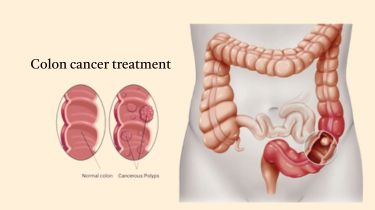
Colon cancer is a type of gastrointestinal cancer that develops in the large intestine or rectum. If not detected early, it can spread to nearby tissues or distant organs.
Common Types of Colon Cancer:
- Colorectal Adenocarcinoma – The most common type
- Gastrointestinal Carcinoid Tumor – Often slow-growing
- Metastatic Colorectal Cancer – Advanced-stage cancer that spreads
- General Colorectal Cancer – Includes various cancer types affecting the colon or rectum
Symptoms
What Are the Common Symptoms of Colon Cancer?
Colon cancer often develops slowly and may not show any obvious signs in the early stages. As the condition progresses, some individuals may begin to experience the following symptoms:
- Irregular bowel habits, such as ongoing diarrhea or constipation
- Blood in the stool, which may appear as red streaks or make the stool look darker than usual
- Pain or cramps in the abdominal area, often without a clear cause
- Excessive gas or bloating, sometimes accompanied by a feeling of pressure
- Constant tiredness, even after adequate sleep or rest
- Unexpected weight loss, which is not linked to diet or exercise
- Low iron levels, which may cause fatigue, weakness, or shortness of breath
Risk Factors
What Increases the Risk of Developing Colon Cancer?
Several factors can raise a person’s chances of developing colon cancer. While some are beyond control, others are related to lifestyle and health history.
- Advancing Age – People over the age of 50 are more likely to develop colon cancer.
- Genetic History – Having a family member with colorectal cancer can significantly increase risk.
- Chronic Digestive Conditions – Long-term conditions like Crohn’s disease or ulcerative colitis may raise the likelihood of cancer.
- Presence of Colon Polyps – Some polyps in the colon can turn into cancer over time if left untreated.
- Type 2 Diabetes and Obesity – People with diabetes or excess body weight may have a higher risk.
- Unhealthy Habits – Regular smoking and heavy alcohol use are linked to increased chances of colon cancer.
- Ethnic Background – Some populations, including African descent groups, may have a slightly higher risk.
Early screening and a healthy lifestyle can reduce many of these risks. Consult a healthcare provider to evaluate your personal risk.
Preparation
How Should You Prepare for Colon Cancer Treatment?
Preparing for colon cancer treatment involves several steps to ensure the patient is medically ready, mentally prepared, and well-informed about the procedure.
- Select a Reputed Hospital and Oncologist
Begin by choosing a trusted hospital in India with experienced cancer specialists who offer high-quality treatment within your budget.
- Understand the Treatment Costs
The overall cost for colon cancer surgery typically ranges between $6,000 to $9,000 USD, depending on factors like the hospital, type of surgery, and doctor’s experience.
- Undergo Pre-Surgery Evaluation (PSC)
Before treatment, patients must complete medical tests such as blood work, ECG, and cardiac evaluations to determine fitness for surgery.
- Sign the Surgical Consent Form
Once fit for surgery, the patient will be asked to provide written consent acknowledging the risks and allowing the surgeon to proceed.
- Review Current Medications
Inform your cancer care team about all medicines, supplements, or ongoing treatments. Adjustments may be needed before surgery.
- Hospital Admission & Fasting Instructions
Patients are usually admitted a day before the procedure and are advised to fast (no food or drink) from the night before surgery.
- Discontinue Blood Thinners if Advised
If you’re taking anticoagulant medications, your doctor may advise stopping them around 7–10 days prior to the procedure to reduce bleeding risk.
Procedure
How Is Colon Cancer Surgery Performed?
Colon cancer treatment typically begins with a detailed diagnosis. If detected early, it offers a much higher chance of successful treatment. Doctors recommend regular screening such as blood tests, colonoscopy, and CT scans to detect any abnormal changes in the colon, especially in individuals with no visible symptoms.
Colon cancer progresses through four main stages – Stage I to Stage IV – and treatment plans are designed accordingly. Depending on the stage and location of the tumor, a combination of therapies may be used:
- Surgery
Surgery is often the primary treatment for colon cancer. The type of surgery depends on whether the cancer is in the colon or rectum, and how advanced it is.
- Minimally Invasive Surgery (such as laparoscopic colectomy) is recommended for early-stage cases.
- Partial Colectomy may be performed in more advanced cases, where a section of the colon containing the tumor is removed, along with nearby lymph nodes.
- Chemotherapy
Chemotherapy involves using drugs to destroy cancer cells. It may be used:
- Before surgery to shrink tumors
- After surgery: the remaining cancer cells are killed to stop a recurrence.
Common chemotherapy drugs may vary, and treatment is tailored based on the patient’s condition.
- Radiation Therapy
Radiation therapy uses high-energy rays to target and destroy cancer cells. It is more commonly used in rectal cancer but can also benefit some colon cancer cases.
- Patients typically undergo 3 to 5 sessions per week over 3 to 6 weeks, depending on the tumor’s size and location.
- Techniques like IMRT (Intensity-Modulated Radiation Therapy) and IORT (Intraoperative Radiation Therapy) are used for precision and effectiveness.
- Immunotherapy
Immunotherapy stimulates the immune system to identify and combat cancerous cells.
- It may be recommended for specific types of advanced colon cancer.
- Drugs such as pembrolizumab (Keytruda) and nivolumab (Opdivo) are sometimes prescribed after surgery or when standard therapies are less effective.
Post Procedure
What Is the Post-Operative Care After Colon Cancer Treatment?
Recovery after colon cancer treatment involves a structured follow-up plan to monitor healing, prevent complications, and detect any recurrence at an early stage. Here’s what patients can expect:
Success Rate
What Is the Success Rate of Colon Cancer Treatment?
The success of colon cancer treatment largely depends on the stage at which the disease is diagnosed, the patient’s age, overall health condition, and how well the body responds to treatment such as surgery, chemotherapy, and radiation.
Colon cancer has one of the highest survival rates among cancers if detected and treated in the early stages.
5-Year Survival Rates by Stage
|
Stage of Colon Cancer
|
5-Year Survival Rate
|
|
Stage 0 (In situ)
|
100% – Localized cancer confined to the inner lining of the colon.
|
|
Stage I
|
92% – Cancer has grown into the colon wall but hasn’t spread.
|
|
Stage II
|
87% – Tumor may have invaded nearby tissue but not lymph nodes.
|
|
Stage III
|
63% – Cancer has spread to nearby lymph nodes but not distant organs.
|
|
Stage IV
|
20% – Advanced stage with cancer spreading to distant organs like the liver or lungs.
|
FAQs from Doctors
What Questions Should I Ask Before Colon Cancer Surgery?
If you or your loved one is preparing for colon cancer treatment in India, it’s important to ask your doctor the right questions. Here’s a list of key questions patients commonly ask before undergoing surgery for colon cancer:
- Are you a board-certified oncologist or surgical oncologist in India with experience in colon cancer cases?
- What is the success rate of colon cancer surgery, and how long is the typical recovery time?
- In my situation, what are the main risk factors for colon cancer?
- Where exactly is the tumor located in my colon?
- What is the current stage of my colon cancer?
- What is my estimated life expectancy based on my diagnosis and stage?
- Has the cancer spread to other organs or lymph nodes?
- How much will radiation and chemotherapy treatment cost in India?
- Is colon cancer completely curable in my case?
- What treatment plan do you recommend, and why is it suitable for me?
- How long does chemotherapy usually last for colon cancer patients?
- How much will radiation and chemotherapy treatment cost in India?
- How should I get ready for the surgery, both mentally and physically?
- What is the expected hospital stay after colon cancer surgery? Will I require extended recovery time outside the hospital?
- Are there specific risks related to my type and stage of colon cancer?
- What is the typical timeline for full recovery?
- When can I resume regular activities such as walking, working, or exercising?
- Who are the top oncologists in India for colon cancer treatment?
- What outcomes should I expect after surgery and treatment?
- Is there a possibility of needing a second surgery in the future?
- Will I require follow-up tests or appointments after my treatment ends?