Duration of Treatment
usually takes 5 to 10 hours
Days of Stay
usually day care procedures and 3 days outside the hospital.
Anesthesia
Local anaesthesia.
Cost
2000 to 4000 USD
Hair Transplant Cost in India
Introduction
Hair transplant is a widely performed procedure in India, known for its affordability and success. Transferring hair follicles from a dense growth area (typically the back of the scalp) to areas with thinning or no hair is this surgical procedure. It is typically done under local anesthesia and takes around 5 to 10 hours. Most patients can go home the same day or stay locally for a few days for follow-up.
Average Expense Breakdown
Here is an approximate cost range for hair transplant treatment in India:
- Conventional Hair Transplant (4000–5000 grafts): $2000 – $4000 USD
- Robotic Hair Transplant: $2000 – $3000 USD
- Nearby Hotel Stay: Starts from $18 to $50 USD per night
- Daily Food Expenses: $20 to $30 USD per day
- Other Basic Expenses: Around $20 USD per day
What is Hair Transplant Surgery?
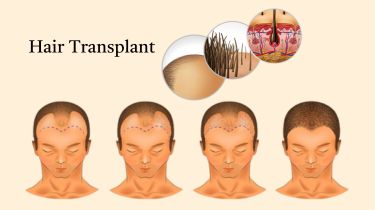
A hair transplant is a surgical procedure that moves hair roots from one area of the scalp to another to restore hair. This process is effective for treating baldness on the scalp and facial regions such as eyebrows, beard, or mustache. The technique ensures natural-looking, long-term hair growth.
Common Causes of Hair Loss
Numerous factors can cause hair loss, including:
- Age progression
- Hormonal fluctuations
- Genetic pattern baldness
Noted Hair Transplant Surgeons in India
Some of the most skilled doctors who perform hair transplant surgeries in India include:
- Dr. Sunil Choudhary – Max Hospital
- Dr. Vipul Nanda – Artemis Hospital
- Dr. Muffazal Lakdawala – Saifee Hospital
- Dr. Ajaya Kashyap – Fortis Hospital
- Dr. Kuldeep Singh – Apollo Hospital
- Dr. Avtar Singh Bath – BLK Hospital
- Dr. Saurabh Kumar Gupta – Jaypee Hospital
- Dr. Ashish Rai – Jaypee Hospital
Leading Hospitals for Hair Transplant in India
Several hospitals across India offer advanced hair restoration procedures, including:
- Enhance Hair Clinic
- Artemis Hospital
- Manipal Hospital
- Fortis Escorts Hospital
- Medanta Hospital
- Jaypee Hospital
- BLK Super Speciality Hospital
- Global Hospital
- Asian Heart Institute
- Apollo Hospital
- Max Hospital
- Narayana Hospital
- Saifee Hospital
Symptoms
Who Should Consider Hair Transplant Surgery?
Hair transplant surgery may be the right option for individuals experiencing:
- Noticeable Hair Thinning or Bald Patches
People facing hair loss due to genetics, medical conditions, or hormonal changes may benefit from this procedure.
- Desire to Improve Appearance
Those seeking to restore a fuller hairline or enhance their facial features, such as beard or eyebrow density.
- Limited Results from Non-Surgical Treatments
If topical applications, medications, or other hair growth solutions have not worked, surgery may be a suitable next step.
- Permanent Solution for Hair Loss
Ideal for individuals who want a long-lasting remedy and a natural-looking hair regrowth outcome.
- Good Overall Health
Candidates should be generally healthy, without any conditions that may affect healing or surgical success.
Risk Factors Associated with Hair Transplant Surgery
While hair transplant surgery is generally safe when performed by experienced professionals, certain side effects and risks may occur, such as:
- Minor Bleeding at the Donor or Recipient Area
Small amounts of bleeding during or after the procedure are common but typically controlled.
- Risk of Infection
As with any surgical procedure, there’s a slight chance of infection if aftercare is not followed properly.
- Scalp Swelling
Some patients may experience puffiness or swelling in the forehead or scalp area after surgery.
- Bruising Near the Eyes
Mild bruising may occur, especially around the forehead or under-eye area, but usually fades within a few days.
- Temporary Numbness
Loss of sensation in the scalp area may occur temporarily due to nerve sensitivity during the procedure.
- Persistent Itching
As the scalp heals, itching may occur; however, it’s typically manageable and short-term.
- Unnatural Hair Appearance
If not done correctly, the new hair growth may look uneven or artificial, which highlights the importance of choosing an experienced surgeon.
Preparation Before Hair Transplant Surgery
Proper preparation can help ensure a smooth and successful hair transplant experience. Here are key steps patients should follow before the procedure:
- Complete Pre-Procedure Medical Tests
Patients are advised to undergo basic health screenings, including blood tests, to rule out any underlying conditions or infections.
- Consent and Documentation
Before the surgery, patients will be required to review and sign consent forms that authorize the procedure.
- Inform Your Doctor About Medications
Share a full list of any current medicines or supplements with your doctor so they can advise you on what to continue or pause.
- Admission Details
Unless otherwise instructed, patients are typically admitted to the clinic or hospital on the day of the surgery.
- Discontinue Blood-Thinning Drugs
Medications that affect blood clotting, such as aspirin, are usually stopped at least 7–10 days before surgery, under medical supervision.
- Cost Estimation
Hair transplant procedures in India usually range between USD 2,000 and USD 4,000. The price may vary based on the number of grafts needed, the clinic’s infrastructure, and the surgeon’s expertise.
Hair Transplant Procedure
Moving healthy hair follicles from one area of the scalp where hair is thinning or missing is hair transplant surgery. Here are the commonly used methods and a general step-by-step outline of the procedure:
Types of Hair Transplant Techniques:
- FUT (Follicular Unit Transplantation) – In this method, a strip of scalp is taken from the back of the head, and individual follicle units are separated and transplanted.
- FUE (Follicular Unit Extraction) – Hair follicles are removed one by one from the donor area and implanted in the recipient area.
- Strip Harvesting – A technique similar to FUT, involving surgical removal of a skin strip containing hair follicles.
- Robotic Hair Transplant – A newer approach that uses advanced technology to assist in follicle extraction and placement with precision.
Steps Involved in the Hair Transplant Process:
- The scalp is first cleaned, and the areas where follicles will be removed and implanted are marked.
- Local anesthesia is used to numb the scalp and reduce discomfort during the procedure.
- In strip methods, a portion of the scalp is removed, and follicles are isolated under magnification.
- In FUE, hair grafts are extracted directly from the scalp using specialized tools.
- Small openings are created in the bald or thinning area where new follicles are placed.
- The transplanted grafts are positioned carefully to replicate the natural hair growth pattern, using different densities to match the surrounding hair.
Post-Surgery Care After Hair Transplant
Proper aftercare is essential for a smooth recovery and optimal results after a hair transplant. Below are important guidelines patients are usually advised to follow:
- The medical team will provide detailed instructions on caring for the scalp, taking prescribed medication, and managing any discomfort.
- If FUT (strip method) was used, any stitches or staples are typically removed within a few days.
- Avoid intense physical activity, heavy lifting, or strenuous exercise for up to three months to prevent stress on the scalp.
- Protect the treated area from direct sunlight and dust by wearing a soft, loose-fitting cap when outdoors.
- You may gently wash your scalp with a mild, non-medicated shampoo on the second day post-surgery, as advised by your surgeon.
- Hair growth from the transplanted follicles usually begins around the third or fourth month. After nine to twelve months, improvement that is observable and fuller results are typically seen.s
Hair Transplant Success Rate
The outcome of a hair transplant varies based on individual health, the type of hair loss, and the skill of the surgical team. On average, most patients experience a success rate of over 95%, especially when treated by experienced professionals using advanced techniques.
However, the results may be less favorable in individuals who smoke or consume alcohol regularly, as these habits can slow healing and reduce graft survival. A healthy lifestyle and proper post-surgery care contribute significantly to achieving a fuller and natural-looking hairline over time.
FAQs: What to Ask Before a Hair Transplant
Before undergoing a hair transplant, it’s essential to ask your doctor the right questions to make an informed decision. Here are some important queries you may consider:
- Are you a qualified and licensed hair transplant specialist in India?
- How long have you been performing hair restoration surgeries?
- How many procedures do you usually conduct in a day or week?
- What is the typical cost of a hair transplant at your clinic?
- Is your facility accredited to carry out hair transplant procedures?
- Based on my condition, am I a suitable candidate for this surgery?
- What is your success rate, and how long does recovery usually take?
- What treatment method do you suggest for me, and why?
- How much does a robotic hair transplant cost in Delhi or similar cities?
- What are my options if the results are not as expected?
- Between FUT and FUE, which technique is best suited for me and why?
- When can I return to normal routines like work, exercise, or travel?
- Will the procedure involve bandages, stitches, or staples?
- Will there be any lasting marks or visible scars after healing?
- Is there a possibility that I may need a second procedure later?
- Will follow-up visits or diagnostic tests be required after the transplant?