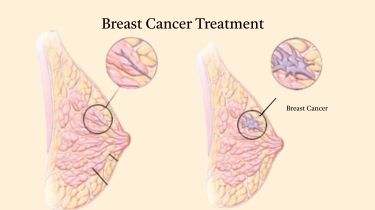
Duration of Treatment
usually takes 3 to 4 hours.
Days of Stay
usually 7 days at the hospital and 20 days outside the hospital.
Anesthesia
General anesthesia.
Cost
5000 to 7000 USD
BREAST CANCER TREATMENT COST IN INDIA
Breast cancer is one of the most common cancers among women globally, but with timely diagnosis and the right medical care, it can be effectively treated. India has emerged as a preferred destination for affordable and high-quality breast cancer treatment. The country offers access to top oncologists, state-of-the-art hospitals, and comprehensive treatment plans at significantly lower costs compared to Western countries.
Estimated Cost of Breast Cancer Treatment in India
The cost of breast cancer treatment in India depends on several factors, including the type and stage of cancer, treatment approach, hospital facilities, and the patient’s overall condition.
Average Cost Overview (in USD)
|
Treatment Type
|
Estimated Cost (USD)
|
|
Chemotherapy (per cycle)
|
$300 – $600
|
|
Radiation Therapy
|
$3,800 – $5,800
|
|
Lumpectomy
|
$3,000 – $4,000
|
|
Mastectomy
|
$4,000 – $6,000
|
|
Targeted Therapy
|
$1,000 – $2,500 per dose
|
|
Immunotherapy
|
$1,500 – $3,000 per session
|
Breast Cancer Treatment Cost in India (INR Range by City)
|
City
|
Approximate Cost Range (INR)
|
|
Delhi
|
₹94,000 – ₹16,00,000
|
|
Mumbai
|
₹90,000 – ₹17,00,000
|
|
Bangalore
|
₹85,000 – ₹15,50,000
|
|
Chennai
|
₹85,000 – ₹14,50,000
|
|
Hyderabad
|
₹95,000 – ₹16,25,000
|
|
Pune
|
₹90,000 – ₹15,25,000
|
|
Gurgaon
|
₹85,000 – ₹15,25,000
|
Minimum Cost: ₹85,000
Maximum Cost: ₹17,00,000
Average National Cost: ₹8,42,785
Factors Influencing the Cost of Breast Cancer Treatment
Several components can affect the overall cost of breast cancer treatment in India:
- Type and Stage of Cancer: Early-stage cancers may require less aggressive treatments.
- Treatment Method: Whether the patient undergoes surgery, chemotherapy, radiation, or a combination.
- Hospital and City: Premium hospitals in metro cities usually charge more.
- Doctor’s Expertise: Senior oncologists with extensive experience may charge higher fees.
- Length of Hospital Stay: Longer stays and ICU usage increase costs.
- Post-Treatment Care: Costs related to rehabilitation, medications, and follow-up appointments.
Cost Breakdown by Treatment Type (INR Estimate)
|
Treatment Type
|
Estimated Cost (INR)
|
|
Chemotherapy (cycle)
|
₹1,60,000 – ₹3,00,000
|
|
Radiation Therapy
|
₹1,50,000 – ₹5,50,000
|
|
Lumpectomy Surgery
|
₹1,20,000 – ₹3,50,000
|
|
Mastectomy Surgery
|
₹2,00,000 – ₹4,00,000
|
|
Targeted Therapy
|
₹80,000 – ₹1,20,000 per dose
|
|
Immunotherapy
|
₹1,25,000 – ₹3,00,000/session
|
How to Save on Breast Cancer Treatment in India
- Opt for Government or Trust Hospitals: Lower-cost or subsidized care is available.
- Explore Medical Tourism Packages: Some hospitals offer all-inclusive packages for international patients.
- Use Health Insurance: Check if your insurance policy covers cancer care in India.
- Seek NGO or Charity Support: Many non-profits provide financial assistance for cancer patients.
- Get a Second Opinion: It can help ensure the treatment plan is necessary and cost-effective.
Leading Breast Cancer Specialists in India
India is home to several top-tier oncologists known for their skill and success in breast cancer treatment.
- Dr. Harit Chaturvedi – New Delhi
- Dr. S M Shuaib Zaidi – Noida
- Dr. Kapil Kumar – Gurgaon
- Dr. Vedant Kabra – Gurgaon
- Dr. Ashwin Rajagopal – Chennai
- Dr. S Hukku – Radiation Oncology, Delhi
Best Hospitals for Breast Cancer Treatment in India
Some of the top hospitals offering advanced breast cancer care in India include:
- Medanta – The Medicity, Gurgaon
- Apollo Hospitals – Chennai, Delhi, Hyderabad
- Max Healthcare – Delhi and NCR
- Fortis Hospitals – Bangalore, Mumbai, Delhi
- BLK Max Super Speciality Hospital – Delhi
- Artemis Hospital – Gurgaon
- Manipal Hospitals – Multiple Cities
- HCG Cancer Centre – Bangalore
- Yashoda Hospitals – Hyderabad
- Aster Hospitals – Kochi, Bangalore
These hospitals offer comprehensive oncology services, including diagnosis, surgery, chemotherapy, radiotherapy, and post-operative care.
About Breast Cancer
Breast cancer develops when abnormal cells in the breast grow uncontrollably. Early detection plays a vital role in successful treatment outcomes.
Common Types of Breast Cancer
- Invasive Ductal Carcinoma (IDC) – Most prevalent form
- Ductal Carcinoma In Situ (DCIS) – Non-invasive early stage
- Lobular Carcinoma – Begins in the breast lobules
- Inflammatory Breast Cancer – A rare but aggressive form
- Male Breast Cancer – Though uncommon, it can occur in men
Early Detection and Prevention
Signs to Watch For:
- Lump or thickening in the breast or underarm
- Change in breast shape or size
- Dimpling or puckering of the skin
- Nipple inversion or discharge
Prevention and Risk Reduction:
- Maintain a healthy weight
- Engage in regular physical activity
- Limit alcohol consumption
- Avoid smoking
- Undergo regular screenings if at higher risk
Why Choose India for Breast Cancer Treatment?
- Globally trained doctors and advanced technologies
- Affordable treatment options
- Minimal waiting times for surgery or therapies
- Full support for international patients including visa, accommodation, and interpreters
- Transparent pricing and personalized treatment plans
Symptoms of Breast Cancer
What Are the Common Warning Signs?
Breast cancer symptoms can vary, but it’s important to pay attention to any changes in the breasts or nearby areas. Some key signs include:
- A new lump or thickened area in the breast or armpit
- A noticeable change in breast size or shape
- Skin on the breast that becomes puckered, dimpled, or uneven
- Unusual nipple discharge that is not breast milk
- Flaking, peeling, or redness around the breast or nipple skin
- Persistent pain in the breast or chest area
- lymph node swelling, particularly in the area around the armpit or collarbone
- Difficulty breathing (may occur in later stages if cancer spreads)
- Skin that looks or feels like an orange peel (thickened or pitted texture)
These symptoms don’t always mean cancer, but any new or unexplained changes should be checked by a healthcare professional promptly.
Risk Factors for Breast Cancer
Who Is at Greater Risk of Developing Breast Cancer?
While anyone can develop breast cancer, certain factors may increase the chances. These include:
- Gender: Women are significantly more likely to develop breast cancer than men.
- Advancing Age: The risk increases as a person grows older, especially after age 50.
- Family History & Genetics: Inherited gene mutations (like BRCA1 and BRCA2) or having close relatives with breast cancer can raise your risk.
- Personal History of Breast Issues: Previous breast cancer or benign breast lumps can make future occurrences more likely.
- Dense Breast Tissue: Denser tissue can make it harder to detect cancer and may also carry a higher risk.
- Obesity or Excess Body Weight: Particularly after menopause, weight gain may influence hormone levels and elevate risk.
- Alcohol Use: Regular consumption of alcohol is linked to a higher risk of breast cancer.
- Radiation Exposure: Prior radiation treatments to the chest, especially during youth, can increase risk.
- Hormone Replacement Therapy (HRT): Long-term use of combined hormone treatments may increase breast cancer risk.
- Occupational Exposure: Some workplaces may expose individuals to carcinogenic chemicals, which could contribute to long-term risk.
It’s important to remember that having one or more risk factors does not guarantee breast cancer will develop—but it may warrant closer screening and monitoring.
Preparation for Breast Cancer Surgery
What Steps Should Be Taken Before Undergoing Breast Cancer Surgery?
Proper preparation before breast cancer surgery helps ensure better outcomes and a smoother recovery. Here are key steps typically followed:
- Choose a Trusted Medical Facility: Select a well-equipped hospital with experienced surgical teams specializing in breast cancer care. Comparing treatment options, facilities, and city locations can help you find quality care within budget.
- Understand the Estimated Cost: Treatment costs in India can range from approximately $4,000 to $6,500 USD, depending on the surgeon’s expertise, the hospital infrastructure, and the type of procedure recommended.
- Pre-Surgery Medical Evaluation: Patients are usually required to undergo a pre-surgical check-up, which includes blood tests, ECG, echocardiogram (ECHO), and urine analysis to confirm fitness for surgery.
- Informed Consent: Before the procedure, you will be asked to sign a consent form authorizing the medical team to carry out the surgery and associated treatments.
- Disclose Medications: Inform your doctor about any medications, including over-the-counter drugs and supplements, as some may interfere with surgery or anesthesia.
- Hospital Admission and Fasting: Patients are generally admitted a day before the operation and are instructed to fast (no food or drink) for several hours before surgery.
- Medication Adjustments: If you’re taking blood thinners or anticoagulant medicines, your doctor may ask you to stop them several days prior to reduce the risk of excessive bleeding during the operation.
Procedure
How is Breast Cancer Treated?
Breast cancer treatment is based on the stage and type of cancer. Before deciding on a treatment plan, doctors will run several tests such as:
- Blood tests
- Biopsy
- Mammogram
- MRI of the breast
- CT scan
- PET scan
- Bone scan
Doctors can determine the best course of treatment by using these tests to determine the extent of the cancer’s spread. Treatment may involve surgery, chemotherapy, radiation, hormone therapy, or a combination of these.
- Surgery
The first line of treatment for breast cancer is frequently surgery.The goal is to remove the tumor and affected tissue. Common surgical options include:
- Lumpectomy – Removal of only the tumor and a small margin around it.
- Mastectomy – Removal of one or both breasts, depending on the severity.
- Removal of Lymph Nodes: Removed from beneath the arm to determine whether the cancer has spread.
Sometimes, patients with large tumors receive chemotherapy before surgery to shrink the tumor.
- Chemotherapy
Chemotherapy involves strong medicines that kill cancer cells or stop them from growing. It can be used:
- Before surgery (to reduce tumor size)
- Following surgery (to reduce the chance of cancer returning)
- In advanced stages to manage the disease
- Radiation Therapy
Radiation therapy uses high-energy rays to destroy cancer cells. It is usually given after surgery to kill any leftover cancer cells.
Different methods include:
- External radiation therapy
- Advanced techniques like IMRT or IORT
Depending on the circumstances, the course of treatment could last anywhere from three to six weeks.
- Hormone Therapy
Some breast cancers grow due to hormones like estrogen or progesterone. Hormone therapy helps block these hormones and is useful for hormone-sensitive cancers. To lessen the likelihood of the cancer coming back, it can be used either before or after surgery.
- Advanced/Metastatic Breast Cancer
When breast cancer spreads to other parts of the body (Stage IV), it’s called metastatic. Depending on the type of cancer, the course of treatment may involve:
- Hormone therapy
- Targeted drugs for HER2-positive breast cancer (like trastuzumab)
Doctors decide the best combination of treatments based on the patient’s condition and how the cancer responds.
Post Procedure Care and Success Rate After Breast Cancer Surgery
How to Take Care After Breast Cancer Surgery?
Care after surgery is crucial to promoting recovery and minimizing complications. It includes both medical follow-up and self-care:
- Wound Care: Keep the surgical area clean and dry as advised by the doctor.
- Medications: Take prescribed antibiotics and pain relievers regularly.
- Activity: For a few weeks, refrain from doing strenuous physical labor or heavy lifting.
- Drain Management: If surgical drains are placed, learn how to empty and measure the fluid until they are removed.
- Physiotherapy: Gentle exercises may be advised to restore shoulder movement and reduce stiffness.
- Follow-ups: Attend regular check-ups for monitoring recovery and to detect any early signs of recurrence.
- Emotional Support: Join support groups or seek counseling, as emotional healing is equally important.
- Lifestyle Adjustments: Maintain a balanced diet, exercise moderately, and avoid smoking or alcohol to help recovery and overall health.
Success Rate of Breast Cancer Treatment
The chance of successful treatment depends on the stage of cancer, the patient’s overall health, and how early the disease was diagnosed. Below is a general overview:
Survival Rate by Stage
- Stage 0 and I (Early Stage):
- 5-Year Survival: Around 99%
- Cancer is highly treatable when detected early.
- Stage II (Localized Cancer):
- 5-Year Survival: About 93%
- Limited to the breast or nearby lymph nodes; still very treatable.
- Stage III (Advanced Regional Spread):
- 5-Year Survival: Nearly 86%
- Requires more aggressive treatment but outcomes are still positive.
- Stage IV (Metastatic Breast Cancer):
- 5-Year Survival: Around 30%
- Though more serious, recent therapies offer better control of the disease.
What Affects the Outcome?
- Type of Breast Cancer:
Hormone-sensitive and HER2-positive cancers respond well to targeted treatments.
More aggressive types like triple-negative breast cancer need specialized care.
- Timely Diagnosis:
Cancers caught early have the highest survival rates.
- Modern Treatment Options:
New technologies, targeted therapies, and precision medicine have improved results.
- Patient’s Health & Age:
Younger and healthier individuals often recover faster and respond better to treatment.
Long-Term Recovery and Survival
- Overall 5-Year Survival Rate (All Stages Combined): About 91%
- 10-Year Survival Rate: Continuously improving due to better care and monitoring.
Why Survival Rates Are Better Today
- Early detection through regular screening
- Personalized medicines based on genetics
- Less invasive surgery and better radiation techniques
- Customized treatment plans for each patient
Final Thought
Recovery from breast cancer is possible and highly likely, especially with early diagnosis and proper treatment. Staying committed to regular follow-ups, maintaining a healthy lifestyle, and getting emotional and medical support can significantly improve outcomes.
Success Rate of Breast Cancer Treatment
What is India’s Breast Cancer Treatment Success Rate?
The success rate of breast cancer treatment has significantly improved over the years due to early diagnosis, advanced medical technology, and effective therapies. In India, many hospitals now offer world-class treatment options that align with international standards at affordable costs.
Estimated Survival Rates by Stage
The success of breast cancer treatment often depends on the stage at which the cancer is diagnosed:
- Stage 0 and Stage I (Early Detection):
- 5-Year Survival Rate: Around 99%
- At this stage, the cancer is small and localized, making it highly curable with surgery and follow-up therapies.
- Stage II (Localized Spread):
- 5-Year Survival Rate: Nearly 93%
- Though cancer may have spread to nearby lymph nodes, treatment success remains very high with surgery, radiation, and medication.
- Stage III (Advanced Regional):
- 5-Year Survival Rate: Approximately 86%
- Aggressive treatment plans involving chemotherapy, radiation, and surgery still provide positive outcomes.
- Stage IV (Metastatic Breast Cancer):
- 5-Year Survival Rate: Around 30%
- In this stage, cancer has spread to other organs. Although complete cure is rare, targeted therapies, immunotherapy, and hormonal treatments can help control the disease and improve quality of life.
Key Factors That Influence Treatment Success
- Type of Cancer:
Hormone-positive and HER2-positive breast cancers generally respond well to modern targeted treatments.
- Early Detection:
The earlier the cancer is found, the better the outcome. Routine mammograms and self-exams are vital.
- Access to Treatment:
Quick access to surgery, radiation, chemotherapy, and medications plays a major role in patient recovery.
- Personal Health:
Patients who are otherwise healthy respond better to treatment and recover faster.
- Age:
Younger patients often tolerate treatment better, though older patients also respond well with proper care.
Why Success Rates Are Increasing in India
- Advanced Diagnostic Tools: Early and accurate detection is now more accessible.
- Modern Treatment Protocols: Use of latest surgical techniques, targeted drugs, and hormone therapy.
- Affordable and Quality Care: High-quality treatment at lower cost compared to Western countries.
- Skilled Specialists: Oncologists and surgeons with global training and extensive experience.
- Personalized Treatment Plans: Care customized to the patient’s cancer type, stage, and health condition.
Overall Outlook
- The overall 5-year survival rate for breast cancer in India is around 91%, depending on the stage and health of the patient.
- Long-term survival and remission rates are rising due to continued progress in cancer care and increased awareness.
Final Thought
Survival from breast cancer is no longer a rare outcome. With timely diagnosis, proper treatment, and strong support systems, many patients go on to live full and healthy lives. Choosing the right hospital and cancer specialist is key to successful recovery.
Frequently Asked Questions (FAQs)
About Breast Cancer Treatment in India
- What is the cost of breast cancer treatment in India?
The cancer stage, the course of treatment, and the hospital’s location all affect the price.On average:
- Surgery (lumpectomy or mastectomy): ₹1,00,000–₹3,00,000
- Chemotherapy per cycle: ₹75,000–₹2,00,000
- Radiation therapy: ₹1,00,000–₹2,50,000
- Targeted therapy or hormonal therapy may cost more depending on drugs used.
- Is breast cancer treatment in India safe and effective?
Yes. India is known for its skilled oncologists, modern medical facilities, and advanced technology. Many hospitals follow international treatment guidelines and offer success rates comparable to top global centers.
- Which treatments are commonly used for breast cancer in India?
Treatment is personalized and may include:
- Surgery (lumpectomy or mastectomy)
- Chemotherapy
- Radiation therapy
- Hormonal therapy
- Targeted drug therapy
- Reconstructive surgery (if needed)
- Can international patients get breast cancer treatment in India?
Yes. Many Indian hospitals have international patient departments offering services like:
- Visa support
- Airport pick-up
- Language interpreters
- Affordable treatment packages
- Post-treatment follow-up support
- What is the success rate of breast cancer treatment in India?
Success rates are high, especially when diagnosed early:
- Stage 0–I: 95% or higher five-year survival
- Stage II–III: 80–90%
- Stage IV: Around 30%, but improving with advanced therapies
- How long do I need to stay in India for treatment?
Depending on the treatment plan, stay duration may vary:
- Surgery alone: 7–10 days
- With chemotherapy or radiation: May extend up to 4–8 weeks
International patients often choose hospitals offering comprehensive care and accommodation options.
- Is breast reconstruction surgery available in India?
Yes. Breast reconstruction can be done either during or after mastectomy. Options include implant-based reconstruction or using the patient’s own tissue.
- What tests are required before starting treatment?
Common diagnostic tests include:
- Mammogram and ultrasound
- MRI (in selected cases)
- Biopsy (to confirm cancer)
- Hormone receptor and HER2 testing
- PET or CT scan (to assess spread)
- Are Indian doctors experienced in treating breast cancer?
Absolutely. Many oncologists and surgeons in India have trained or practiced in leading institutions worldwide. Hospitals regularly treat both domestic and international patients with a focus on evidence-based medicine.
- How do I choose the right hospital or doctor in India?
Choose a hospital that is NABH/JCI-accredited and known for oncology care. Look for experienced breast cancer specialists, patient reviews, and services for international patients.