Duration of Treatment
usually takes 30 to 60 Minutes
Days of Stay
usually two days in the hospital and 5 days outside the hospital.
Anesthesia
General Anesthesia or Local Anesthesia.
Cost
3000 to 3000 USD
Endoscopic Sinus Surgery Cost in India
Endoscopic Sinus Surgery (ESS), also known as Functional Endoscopic Sinus Surgery (FESS), is a minimally invasive procedure used to treat chronic sinusitis and nasal blockages. India is a popular destination for this surgery due to its affordable cost, skilled ENT surgeons, and advanced facilities.
💸 Average Cost of Endoscopic Sinus Surgery in India
|
City
|
Estimated Cost (INR)
|
Estimated Cost (USD)
|
|
Delhi
|
₹45,000 – ₹1,20,000
|
$540 – $1,440
|
|
Mumbai
|
₹50,000 – ₹1,50,000
|
$600 – $1,800
|
|
Bangalore
|
₹50,000 – ₹1,30,000
|
$600 – $1,560
|
|
Chennai
|
₹45,000 – ₹1,25,000
|
$540 – $1,500
|
|
Hyderabad
|
₹40,000 – ₹1,10,000
|
$480 – $1,320
|
|
Kolkata
|
₹40,000 – ₹1,00,000
|
$480 – $1,200
|
🔹 National Average Cost: ₹60,000 – ₹1,20,000 ($720 – $1,440)
🧾 What’s Included in the Cost?
✅ Pre-operative ENT consultation
✅ CT Scan of the sinuses
✅ Surgery charges (including anesthesia)
✅ Hospital stay (1–2 days)
✅ Post-operative medications and care
💡 Factors Influencing Cost
- Type and severity of sinus condition
- Single vs. bilateral sinus treatment
- Use of navigation-assisted surgery
- Experience of the ENT surgeon
- Hospital category (private, multi-specialty, super-specialty)
- Insurance or medical tourism packages
🏥 Popular Hospitals Offering Endoscopic Sinus Surgery
- AIIMS, Delhi
- Apollo Hospitals (Chennai, Delhi, Hyderabad)
- Fortis Healthcare (Pan-India)
- Medanta – The Medicity, Gurugram
- KEM Hospital, Mumbai
- Sankara Nethralaya ENT Wing, Chennai
Why Choose HealthFly Medical Tourism for Sinus Surgery in India
Choosing the right partner for medical travel is just as important as selecting the surgeon or hospital. HealthFly Medical Tourism provides a trusted, patient-first experience for those seeking endoscopic sinus surgery (FESS) in India — combining affordability, care, and convenience.
🏥 Top Reasons to Choose HealthFly for Sinus Surgery
✅ 1. Expert ENT Surgeon Network
- Access to board-certified ENT specialists
- Surgeons with international training & 1000+ successful sinus surgeries
- Pre-reviewed for skill in advanced techniques like image-guided FESS and balloon sinuplasty
✅ 2. World-Class Hospitals at Lower Cost
- Partnered with NABH and JCI-accredited hospitals in Delhi, Mumbai, Chennai, Hyderabad, etc.
- Negotiated rates exclusive to HealthFly patients
- No hidden fees — transparent cost packages
✅ 3. Personalized Medical Concierge Service
- Dedicated medical advisor from pre-surgery to recovery
- Help with doctor consultations, appointment scheduling, travel planning, and visa assistance
- Local support team in India for on-ground coordination
✅ 4. Hassle-Free Documentation & Insurance Assistance
- Full support with insurance claims, medical documents, and post-surgery reports
- Guidance for international patients with document translation & embassy coordination
✅ 5. Affordable & Transparent Packages
- All-inclusive sinus surgery packages starting from ₹50,000
- Covers hospital stay, surgery, tests, medication, airport pickup, and follow-ups
✅ 6. Comfort & Cultural Sensitivity
- Staff fluent in English, Hindi, Arabic, and more
- Special dietary & lodging options for international patients
- Family accommodation assistance during recovery period
What is Endoscopic Sinus Surgery (ESS)
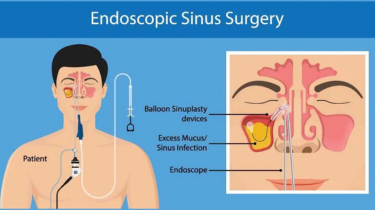
Endoscopic Sinus Surgery, also known as Functional Endoscopic Sinus Surgery (FESS), is a minimally invasive procedure used to treat chronic sinus problems when medications no longer help.
It is performed using a nasal endoscope—a thin, flexible tube with a light and camera—that allows the surgeon to access and clear blocked sinuses without external incisions.
Symptoms
Endoscopic Sinus Surgery (ESS) is usually considered when sinus symptoms are chronic (lasting longer than 12 weeks) or recurrent and do not respond to medications like antibiotics, nasal sprays, or antihistamines.
🔍 Common Symptoms
- Nasal Congestion or Blockage
Persistent stuffiness making it hard to breathe through your nose.
- Facial Pain or Pressure
Aching around the eyes, cheeks, forehead, or between the eyes.
- Postnasal Drip
Mucus dripping down the back of the throat, often causing coughing.
- Loss of Smell or Taste
Partial or complete reduction in the ability to smell or taste.
- Frequent or Chronic Sinus Infections
Infections that return often despite treatment.
- Headaches
Especially around the forehead or eyes, often worsening when bending forward.
- Nasal Discharge
Thick, yellow or green mucus from the nose.
- Snoring or Sleep Issues
Caused by blocked nasal passages.
🛑 When to See an ENT Specialist
- Symptoms persist for more than 3 months
- Frequent antibiotic use without lasting relief
- Presence of nasal polyps or a deviated septum
- Imaging (CT scan) shows obstructed sinuses
Risk Factors
Certain conditions and lifestyle factors increase the likelihood of developing chronic sinusitis, which may eventually require endoscopic sinus surgery (ESS) if not controlled medically.
🔍 Medical Risk Factors
|
Risk Factor
|
Description
|
|
Allergies
|
Especially hay fever (allergic rhinitis) that causes long-term nasal inflammation
|
|
Nasal Polyps
|
Noncancerous growths in the nasal passages that block airflow and drainage
|
|
Deviated Nasal Septum
|
Misalignment in the nasal wall that restricts sinus openings
|
|
Asthma
|
Often coexists with sinus issues due to shared airway inflammation
|
|
Fungal Infections
|
Fungal sinusitis can cause persistent symptoms and require surgical clearance
|
|
Immunodeficiency
|
Weakened immune system (HIV, chemotherapy) leads to frequent infections
|
|
Cystic Fibrosis
|
A genetic disorder that produces thick mucus, blocking sinuses easily
|
🌍 Environmental & Lifestyle Risk Factors
|
Risk Factor
|
Description
|
|
Smoking
|
Damages sinus lining and impairs mucus clearance
|
|
Air Pollution / Dust Exposure
|
Especially in industrial areas or workplaces
|
|
Frequent Air Travel
|
Pressure changes can inflame the sinuses
|
|
Poor Hygiene / Chronic Cold Exposure
|
Repeated infections can turn into chronic sinusitis
|
|
Dental Infections
|
Upper jaw infections can spread to maxillary sinuses
|
Preparation Surgery
Preparing well for endoscopic sinus surgery helps ensure a safe procedure and faster recovery. Here’s a step-by-step guide on what patients need to do before surgery:
- Pre-Surgery Consultation
- Full ENT evaluation including nasal endoscopy or CT scan
- Review of your medical history (allergies, asthma, diabetes, bleeding disorders)
- Discussion of medications, past surgeries, and lifestyle habits (like smoking)
- Medications to Adjust or Stop
|
Medication Type
|
Action
|
|
Blood thinners (e.g., aspirin, warfarin, ibuprofen)
|
Usually stopped 5–7 days before surgery (to reduce bleeding risk)
|
|
Herbal supplements (e.g., garlic, ginseng, ginkgo)
|
Also stopped before surgery
|
|
Steroid sprays or pills
|
May be prescribed before surgery to reduce inflammation
|
|
Antibiotics
|
Sometimes given before surgery if infection is present
|
Always follow your surgeon’s instructions before stopping any medication.
- Lifestyle Adjustments
- Quit smoking at least 2 weeks prior to improve healing
- Avoid alcohol 48–72 hours before surgery
- Maintain hydration and a healthy diet
- Day Before Surgery
- Fasting: No food or drink after midnight (or 6–8 hours before surgery)
- Arrange for someone to accompany you to the hospital and take you home
- Pack essentials (ID, test reports, insurance documents, prescribed meds)
- Preoperative Tests
You may need:
- Blood tests (CBC, clotting profile)
- COVID-19 test
- ECG (especially if above 40 or with cardiac history)
Additional Tips
- Wash your face and nose gently before surgery
- Wear loose, comfortable clothing on the surgery day
- Avoid wearing makeup, lotions, perfumes, or jewelry
Procedure
Endoscopic Sinus Surgery (ESS) is a minimally invasive surgical technique used to open blocked sinuses and restore normal drainage. The surgery is done through the nostrils, so no external incisions or scars are involved.
🔬 Step-by-Step Procedure
- Anesthesia
- Performed under general anesthesia (in most cases) or local anesthesia with sedation
- Patient is asleep or deeply relaxed and pain-free during the procedure
- Insertion of the Endoscope
- A thin, flexible tube with a camera and light (endoscope) is inserted into the nose
- It provides a clear, magnified view of the nasal passages and sinus openings
- Removal of Blockages
- Using tiny surgical instruments, the ENT surgeon:
- Removes obstructing tissues, polyps, or infected mucosa
- Enlarges narrow sinus openings to restore proper drainage
- May also straighten a deviated septum or reduce turbinates (if required)
- Flushing the Sinuses
- Saline irrigation may be used to flush out mucus, pus, or infected material
- Special care is taken not to disturb surrounding healthy structures
- End of Procedure
- No external sutures are needed
- Nasal packing or splints may be placed temporarily to control bleeding
- The entire procedure typically takes 1–3 hours
Post-Procedure
Proper post-operative care is crucial for a smooth recovery and to prevent complications after endoscopic sinus surgery. Here’s what patients can expect and how to care for themselves after surgery:
📅 1. Hospital Stay
- Most patients are discharged the same day
- Some may stay overnight for observation, especially if other procedures were combined
🤧 2. Common Post-Surgery Symptoms
|
Symptom
|
Is it Normal?
|
Duration
|
|
Nasal congestion & stuffiness
|
✅ Yes
|
A few days to 2 weeks
|
|
Mild bleeding or pink discharge
|
✅ Yes
|
1–3 days
|
|
Fatigue
|
✅ Yes
|
Up to 1 week
|
|
Headache or facial pressure
|
✅ Yes
|
A few days
|
|
Crusting or dryness
|
✅ Yes
|
Until nasal cavity heals
|
💊 3. Medications
- Antibiotics: To prevent infection
- Nasal steroid sprays: Reduce inflammation
- Saline nasal rinses: To keep the nasal cavity moist and aid healing
- Painkillers: Usually mild (paracetamol/ibuprofen)
🚫 4. Things to Avoid
- Blowing the nose for at least 1 week
- Bending over or heavy lifting
- Smoking and alcohol
- Dusty or polluted environments
- Flying or diving (due to pressure changes) for 2–3 weeks
🧼 5. Nasal Care & Cleaning
- Saline rinses (3–5 times/day)
- Avoid touching the nose or inserting fingers
- Follow-up visits for nasal endoscopy to clean crusts and monitor healing
🩺 6. Follow-up Schedule
- 1st visit: Within 3–5 days after surgery
- Further visits every 1–2 weeks for a month (depends on healing)
Success Rates
Endoscopic Sinus Surgery (ESS) is considered highly effective in treating chronic sinusitis and related nasal disorders—especially when medications have failed.
📈 Overall Success Rate
- The success rate of ESS in India ranges between 85% to 95%, depending on:
- The underlying condition (e.g., nasal polyps, chronic sinusitis, fungal infections)
- The surgeon’s expertise
- Patient compliance with post-operative care
🧪 Clinical Outcomes
|
Outcome
|
Success Rate
|
|
Symptom Relief
|
90–95% for chronic sinusitis
|
|
Improved Quality of Life
|
85–90% (reduced facial pain, better breathing, sleep, etc.)
|
|
Reduced Medication Use
|
70–80% need fewer antibiotics/steroids
|
|
Long-Term Relief
|
75–85% after 3–5 years, especially with good aftercare
|
FAQs
Here are some of the most frequently asked questions patients have before undergoing endoscopic sinus surgery, answered from a doctor’s perspective:
💬 1. Is endoscopic sinus surgery painful?
Doctor says: No, the surgery is done under general or local anesthesia, so you won’t feel any pain during the procedure. Post-surgery, there may be mild discomfort or pressure, which is manageable with medication.
💬 2. How long does the surgery take?
Doctor says: Most ESS procedures take around 1 to 2 hours, depending on the complexity and whether additional procedures (like septoplasty) are done.
💬 3. Will there be any scars?
Doctor says: No. ESS is a scar-free surgery since it’s performed entirely through the nostrils with no external cuts.
💬 4. When can I return to work?
Doctor says: Most patients can return to work within 5–7 days, unless your job involves heavy physical activity. Recovery is relatively quick if post-operative instructions are followed.
💬 5. Are there any risks or complications?
Doctor says: As with any surgery, there are small risks like:
- Minor bleeding
- Infection
- Nasal dryness or crusting
Rare but serious risks include:
- Eye injury
- Cerebrospinal fluid (CSF) leak
However, these are extremely rare in experienced hands.
💬 6. Will I need surgery again in the future?
Doctor says: ESS provides long-term relief, but recurrence can happen in cases with:
- Allergies
- Nasal polyps
- Chronic inflammatory disease
Good follow-up and care reduce the chance of needing a repeat surgery.
💬 7. What are the alternatives to surgery?
Doctor says: Medications like nasal steroids, antibiotics, and allergy treatments are tried first. Surgery is advised only when these fail to provide relief.
💬 8. How soon will I feel better after the surgery?
Doctor says: Many patients notice improvement in nasal breathing and sinus pressure within 1–2 weeks. Full healing and results are usually seen in 4–6 weeks.