Duration of Treatment
usually takes 0.30 to 1 hours.
Days of Stay
usually 1 days at the hospital and 5 days outside the hospital.
Anesthesia
General anesthesia.
Cost
5000 to 7000 USD
CORONARY ANGIOPLASTY COST IN INDIA
Coronary angioplasty is a widely performed cardiac procedure in India, known for its effectiveness in improving blood flow to the heart. With advanced technology, skilled cardiologists, and internationally accredited hospitals, India offers high-quality treatment at an affordable cost for international patients.
Cost of Coronary Angioplasty in India
The overall cost of coronary angioplasty in India is significantly lower than in many Western countries, without compromising the quality of care. The cost depends on various factors such as the type of stent used, the city, the hospital’s infrastructure, and the patient’s medical condition.
Estimated Cost Breakdown (in USD):
- Bare Metal Stent (BMS): $3,000 – $4,000
- Drug-Eluting Stent (DES): $4,000 – $5,000
- Accommodation (near hospital): $18 – $50 per night
- Daily Food Expenses: $20 – $30
- Other Miscellaneous Expenses: Around $20 per day
Top Cardiologists in India for Coronary Angioplasty
India is home to many leading cardiologists who are internationally trained and have vast experience in performing angioplasty procedures:
- Dr. Subhash Chandra – BLK Hospital
- Dr. Viveka Kumar – Max Hospital
- Dr. Ashok Seth – Fortis Hospital
- Dr. K. K. Talwar – Max Hospital
- Dr. Atul Mathur – Fortis Hospital
- Dr. S. K. Gupta – Apollo Hospital
- Dr. Deepesh Venkatraman – Global Hospital
- Dr. Kuldeep Arora – Artemis Hospital
Best Hospitals in India for Coronary Angioplasty
Here is a list of reputed hospitals in India that offer world-class cardiac care and have advanced catheterization labs:
- Manipal Hospital
- Max Super Specialty Hospital
- Apollo Hospitals
- Fortis Escorts Heart Institute
- Gleneagles Global Hospitals
- Artemis Hospital
- Medanta – The Medicity
- Aster CMI Hospital
- Yashoda Hospitals
- Narayana Health
- Asian Heart Institute
Why Choose India for Angioplasty Treatment?
Patients from around the globe prefer India for cardiac care due to the following advantages:
- Affordable treatment cost without compromising on quality
- Experienced team of interventional cardiologists
- Internationally accredited hospitals with modern infrastructure
- High success rate and low complication rates
- Personalized support for travel, accommodation, and medical needs
What is Coronary Angioplasty?
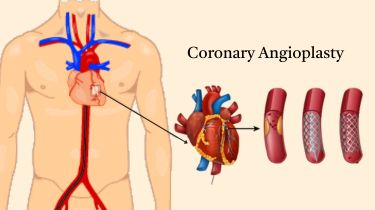
Coronary angioplasty is a minimally invasive procedure used to open blocked or narrowed arteries in the heart. A small balloon is inserted and inflated at the site of blockage to improve blood flow. Often, a stent is placed to keep the artery open long-term.
Benefits of Coronary Angioplasty:
- Reduces chest pain and breathlessness
- Improves heart function
- Minimally invasive with quicker recovery time
- Reduces risk of heart attack
Types of Angioplasty Performed in India
India offers different types of angioplasty depending on the patient’s diagnosis:
- Coronary Angioplasty
- Peripheral Angioplasty
- Carotid Angioplasty
- Renal Artery Angioplasty
- Venous Angioplasty
Symptoms Before Coronary Angioplasty
Coronary angioplasty is typically recommended when a patient shows signs of reduced blood flow to the heart due to narrowed or blocked arteries. The following symptoms may indicate the need for this procedure:
- Chest pain or discomfort (commonly known as angina)
- Shortness of breath, especially during physical activity
- Irregular or rapid heartbeat (palpitations)
- Faster than normal heart rate
- Feelings of weakness or sudden dizziness
- Nausea, particularly during episodes of chest pain
- Excessive sweating even without exertion
Risk Factors of Coronary Angioplasty
Several factors can increase the likelihood of developing coronary artery disease, which may eventually require angioplasty. Common risk factors include:
- Age and Gender: The risk increases with age, and men are generally more prone to heart conditions than women at earlier ages.
- Family History: A history of heart disease in immediate family members raises the chances of heart-related problems.
- Smoking and Stress: Tobacco use and chronic emotional stress are major contributors to arterial damage and heart disease.
- High Blood Pressure and Diabetes: These conditions strain the cardiovascular system and speed up the narrowing of arteries.
- Lack of Physical Activity and Obesity: Sedentary lifestyle and excessive body weight increase the burden on the heart and raise the risk of arterial blockage.
Preparation for Coronary Angioplasty
Before going for coronary angioplasty, patients must follow certain steps to ensure safety and better outcomes:
- Select a trusted heart hospital in India that offers quality treatment at a reasonable price.
- A complete pre-surgery check-up is needed. This includes blood tests, ECG, heart scans, and urine tests to confirm if the patient is fit for the procedure.
- Patients will be asked to sign a consent form before the procedure begins.
- Doctors must be informed about any ongoing medications, especially for heart, blood pressure, or diabetes.
- Patients are usually admitted to the hospital a day before and advised to avoid eating or drinking for several hours before the procedure.
- Blood thinner medicines should be stopped around 10 days before angioplasty, but only with a doctor’s advice.
- Following an angioplasty, the majority of patients spend the night in the hospital for observation.
- The average cost of coronary angioplasty in India is between 3,000 to 5,000 US dollars. The exact cost depends on the hospital, city, stent type, and the doctor’s experience.
Coronary Angioplasty Procedure
Step 1: Local Anesthesia and Setup
The procedure begins with numbing the area around the wrist or groin using local anesthesia. Patients may also receive mild sedatives to stay calm throughout the process. In a specialized cardiac unit, the setup typically takes a few hours.
Step 2: Inserting the Catheter
- A small entry point is made in the wrist or groin region.
- Through this point, a narrow flexible tube (catheter) is guided into the artery leading to the heart.
- The doctor can monitor the coronary arteries by injecting a contrast dye.If a blockage is detected, a balloon attached to the catheter is gently inflated to open the narrowed artery.
- In most cases, a stent (tiny mesh tube) is positioned to support the artery and maintain proper blood flow.
Step 3: Completion and Closure
The catheter is removed once the artery has been successfully widened. The puncture site is sealed using a closure device or manual pressure. A dressing is applied to cover the area, and the patient is monitored for a few hours or overnight.
Post-Procedure Care for Coronary Angioplasty
After undergoing coronary angioplasty, proper post-operative care is essential for recovery and long-term heart health. Here’s what patients should follow:
- Follow-up Examinations: Regular check-ups are necessary to monitor heart function. These may include blood tests, ECGs, and echocardiograms every few months as advised by your cardiologist.
- Medications: Blood-thinning medicines are often prescribed to prevent clot formation around the stent. These should be taken exactly as directed.
- Lifestyle Adjustments:
- Stop smoking completely to reduce the risk of further heart issues.
- Focus on a heart-healthy diet with low fat, salt, and sugar content.
- Stay physically active with doctor-approved exercise routines.
- Work on effectively managing stress and maintaining a healthy weight.
- Warning Signs: Immediate medical attention is necessary if you experience any of the following:
- High fever
- Difficulty breathing
- Chest discomfort
- Unusual tiredness or weakness
Success Rate for Coronary Angioplasty
Coronary angioplasty is a widely performed and highly effective procedure for treating blocked or narrowed coronary arteries. The overall success rate is above 90%, especially when performed by experienced cardiologists with advanced techniques and equipment.
However, in some cases, re-narrowing (restenosis) can occur, affecting approximately 30% to 40% of patients—especially if a bare-metal stent is used. The chances are much lower with the use of drug-eluting stents and lifestyle modifications post-treatment.
FAQs
Frequently Asked Questions Before Coronary Angioplasty
- Is the doctor qualified and experienced in performing coronary angioplasty?
- Does the hospital have the right facilities and accreditations for this procedure?
- Based on my test reports, is angioplasty the best treatment option?
- What is the estimated cost of angioplasty in India, including hospital stay and stents?
- What is the success rate of angioplasty in cases like mine?
- What are the potential complications during or after the procedure?
- Will a stent be required? If yes, which type — bare-metal or drug-coated?
- Is a bypass procedure more suitable for my condition?
- How much time will I spend in the hospital?
- Will I need to come back for another procedure later?
- When can I return to normal activities or exercise after the angioplasty?
- Will there be any long-term effects or restrictions?
- Do I need to make changes to my daily habits like diet, smoking, or exercise?
- Are there any signs or symptoms I should watch for after going home?
- How frequently will I need follow-up appointments or tests?
- What kind of medications will I need after the procedure?
- How long does the angioplasty procedure usually take?
- How can stent thrombosis be avoided and defined?
- How does the recovery process vary for different age groups?
- Can you recommend the most trusted hospitals and heart specialists in India?