Duration of Treatment
usually takes 2 to 3 hours
Days of Stay
usually two days in the hospital and 5 days outside the hospital.
Anesthesia
General anesthesia.
Cost
17000 to 25000 USD
Cochlear Implant Cost in India
Cochlear implant surgery is a life-changing procedure for individuals with severe to profound hearing loss. India is one of the most affordable destinations globally for this treatment, offering world-class medical care at a fraction of international prices.
💰 Average Cochlear Implant Surgery Cost in India
|
Type
|
Cost (INR)
|
Cost (USD)
|
|
Unilateral Cochlear Implant (one ear)
|
₹6,50,000 – ₹11,00,000
|
$7,800 – $13,200
|
|
Bilateral Cochlear Implant (both ears)
|
₹12,00,000 – ₹20,00,000
|
$14,500 – $24,000
|
🧾 What’s Included in the Package
- Pre-surgery audiological tests
- Cochlear implant device (e.g., Med-El, Cochlear Nucleus, Advanced Bionics)
- Surgery and anesthesia
- 2–3 days hospital stay
- Initial speech and auditory therapy
- Follow-up consultation
📉 Factors Influencing Cost
- Brand/model of implant device
- Surgeon’s expertise
- Hospital location and infrastructure
- Pediatric vs. adult patient
- Inclusion of therapy & rehab packages
🏥 Top Hospitals Offering Cochlear Implants
- Medanta – The Medicity, Gurugram
- Apollo Hospitals, Chennai / Hyderabad
- Fortis Memorial Research Institute, Delhi
- Hinduja Hospital, Mumbai
- Madras ENT Research Foundation (MERF), Chennai
- AIIMS, New Delhi (for subsidized cost)
Why Choose HealthFly Medical Tourism for Cochlear Implant Surgery in India
HealthFly Medical Tourism is your trusted partner for accessing affordable, world-class cochlear implant surgery in India. Here’s why patients from across the globe choose us:
✅ 1. Expert Network of ENT & Cochlear Implant Surgeons
We are partnered with India’s leading ENT specialists and cochlear implant surgeons who are internationally trained and renowned for:
- Pediatric and adult cochlear implants
- Advanced technologies (BAHA, Med-El, Cochlear™ Nucleus)
- Minimally invasive and high-precision techniques
✅ 2. Top-Tier Accredited Hospitals
HealthFly collaborates with NABH and JCI-accredited hospitals like:
- Apollo Hospitals
- Medanta – The Medicity
- Fortis Healthcare
- Madras ENT Research Foundation (MERF)
These hospitals offer the latest surgical equipment, advanced audiology labs, and post-operative therapy services.
✅ 3. Cost-Effective & Transparent Packages
Our cochlear implant packages are:
- 60–70% more affordable than the US/UK
- Inclusive of surgery, implant device, therapy, stay, and travel assistance
- No hidden charges—full transparency in billing
✅ 4. Complete End-to-End Assistance
We ensure a stress-free medical journey by taking care of everything:
- Free medical consultations
- Visa & FRRO support
- Airport pickup, accommodation, translators
- Dedicated case manager for international patients
✅ 5. Post-Implant Rehabilitation Support
We offer access to expert speech and auditory rehabilitation therapists so that every patient receives complete aftercare, ensuring long-term success of the implant.
✅ 6. High Success Rates & Happy Families
With a 95%+ success rate and hundreds of successful international cases, HealthFly has helped children and adults regain hearing and lead confident, independent lives.
What is a Cochlear Implant
A cochlear implant is an advanced electronic medical device that helps people with severe to profound hearing loss hear sounds by directly stimulating the auditory nerve.
Unlike hearing aids that amplify sound, cochlear implants bypass damaged parts of the ear and send sound signals directly to the brain.
Symptoms
Cochlear implants are typically considered when hearing loss is severe to profound and traditional hearing aids are no longer effective. Here are the common symptoms that may indicate candidacy:
👂 In Adults:
- Difficulty understanding speech even with hearing aids
- Relying heavily on lip-reading in conversations
- Struggling to hear in noisy environments
- Feeling isolated or frustrated due to hearing challenges
- Inability to hear phone calls clearly
- Hearing loss caused by sensorineural damage (nerve-related)
🧒 In Children (especially under age 5):
- No response to sound or voice
- Delayed speech or no speech development
- Inconsistent response to name or sounds
- Reliance on gestures or visual cues instead of verbal communication
- Difficulty hearing even with strong hearing aids
- Lack of improvement in hearing tests
🛑 Red Flags for Cochlear Implant Evaluation:
- No significant benefit from hearing aids after 6 months of use
- Severe hearing loss in both ears
- Speech recognition scores below 50–60%
-
Risk Factors
While cochlear implants are generally safe and effective, there are certain risk factors that can influence eligibility, surgical outcomes, or long-term success. These risk factors may be medical, anatomical, or post-surgical.
🧬 1. Medical Risk Factors
- Severe heart or lung conditions (risk during anesthesia)
- Bleeding or clotting disorders
- Uncontrolled diabetes or other chronic illnesses
- Meningitis history (may lead to cochlear ossification)
🧠 2. Neurological & Developmental Factors
- Auditory nerve absence or damage
- Severe cognitive impairment (may affect ability to benefit from implant)
- Autism or developmental delay (not disqualifying, but may affect therapy response)
🦴 3. Ear-Related Factors
- Malformed cochlea or inner ear (detected on MRI/CT scans)
- Severe otosclerosis (abnormal bone growth in ear)
- Infection in the middle ear or mastoid area
- Scar tissue or cochlear fibrosis from past infections or trauma
🧒 4. Age-Related Considerations
- Very young infants (<9 months) may require special evaluation
- Older adults with long-term deafness may have limited nerve stimulation
- In children, delayed implantation (>4–5 years) may reduce speech outcomes
💉 5. Surgical & Post-Surgical Risks
- Infection or fluid leakage (CSF leak)
- Temporary or permanent facial nerve damage (rare)
- Device failure or need for re-implantation
- Poor adherence to post-implant therapy (especially in children)
Preparation for Surgery
Preparing for a cochlear implant is a crucial step in ensuring a successful surgery and optimal hearing outcomes. Below is a step-by-step guide to what patients (and parents of pediatric patients) should expect before surgery:
🩺 1. Pre-Surgical Evaluation
✔️ Audiological Testing
- Hearing tests (audiogram, speech recognition)
- Hearing aid trial (usually 3–6 months to confirm limited benefit)
✔️ Imaging Tests
- CT scan or MRI of the inner ear to check cochlear anatomy and auditory nerve condition
✔️ Medical Clearance
- Blood tests, ECG, general physical exam
- Assessment of any chronic conditions (diabetes, cardiac issues)
✔️ ENT & Surgeon Consultation
- Discussion of expectations, outcomes, and risks
- Selection of implant device brand (e.g., Med-El, Cochlear™, Advanced Bionics)
🧠 2. Psychological & Developmental Assessment
- For children: Cognitive, speech, and language assessments
- For adults: Evaluation of post-surgery adaptability and expectations
👨👩👧 3. Counseling & Family Readiness
- Counseling sessions with audiologists and rehabilitation experts
- Educating family about post-surgical therapy and device maintenance
- Discussing realistic expectations (especially for long-term hearing loss)
🛍️ 4. Pre-Surgery Instructions
- Fasting: No food or drink 6–8 hours before surgery
- Medications: Avoid blood thinners or specific medicines as directed
- Vaccinations (for children): Pneumococcal and meningitis vaccines may be recommended before surgery
- Arrange for transportation and post-surgery care at home
📅 5. Surgery Scheduling
- Choose a date in coordination with ENT surgeon and hospital
- Ensure insurance/medical visa/travel paperwork (if international)
Procedure
Cochlear implant surgery is a safe and routine procedure performed by a skilled ENT or neuro-otologic surgeon under general anesthesia. The entire surgery typically takes 1.5 to 3 hours.
🧑⚕️ 1. Anesthesia
- The patient is given general anesthesia to ensure they are asleep and pain-free throughout the surgery.
🦻 2. Incision Behind the Ear
- A small incision is made behind the ear, and the surgeon carefully opens the mastoid bone to access the cochlea (the inner ear).
🔩 3. Inserting the Internal Implant
- A receiver-stimulator is placed under the skin behind the ear.
- A tiny electrode array is gently inserted into the cochlea (spiral part of the inner ear).
📡 Connecting the Internal and External Components
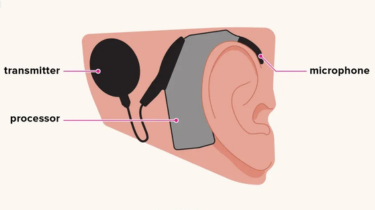
- The internal implant will later connect wirelessly to the external sound processor, which the patient wears behind the ear.
🧵 4. Closing the Incision
- The incision is closed with dissolvable or removable stitches.
- A bandage is applied over the surgical site.
🛌 5. Recovery Room
- The patient is moved to recovery and monitored until they wake up.
- Most patients go home the same day or after 24 hours of observation.
🗓️ 6. Activation (2–4 Weeks After Surgery)
- After the surgical site heals, the external processor is fitted.
- Audiologists “activate” the implant, program it, and begin sound training.
✅ Quick Summary
|
Step
|
Description
|
|
1.
|
General anesthesia administered
|
|
2.
|
Incision behind ear made
|
|
3.
|
Implant receiver and electrode array inserted
|
|
4.
|
Skin closed and stitched
|
|
5.
|
Healing for 2–4 weeks before activation
|
|
6.
|
External device fitted and programmed
|
Post-Procedure
The recovery process after cochlear implant surgery is smooth and manageable for most patients. Proper post-operative care is essential to ensure healing, successful activation, and long-term auditory outcomes.
🕒 1. Immediate Recovery (First 24–48 Hours)
- Hospital Stay: Most patients are discharged the same day or after 1 night of observation.
- Mild Discomfort: Swelling, mild pain, or dizziness may occur (managed with prescribed painkillers).
- Head Bandage: Usually kept on for 24–48 hours after surgery.
🧑⚕️ 2. Follow-Up Appointments
- First check-up typically within 1 week to monitor healing and remove sutures if needed.
- Audiologist visit in 2–4 weeks for device activation and mapping.
🦻 3. Device Activation (2–4 Weeks Post-Surgery)
- The external processor is placed behind the ear.
- The implant is switched on (“activated”) and fine-tuned over multiple sessions.
- Initial sounds may seem unusual — the brain needs time to adapt.
👂 4. Auditory Rehabilitation
- Speech therapy and listening training begin soon after activation.
- Especially important for children and adults with long-term deafness.
- Regular sessions improve speech clarity, word recognition, and social communication.
⚠️ 5. What to Watch Out For
- Fever, fluid leakage from the ear, or unusual swelling
- Persistent dizziness or facial weakness (rare)
- Poor wound healing or signs of infection
👉 If any of these occur, contact your ENT surgeon immediately
⏳ 6. Long-Term Expectations
- Most patients report significant hearing improvement within 3–6 months.
- Continuous mapping (device tuning) and therapy for 6–12 months.
- The implant may need software updates or adjustments over time.
Success Rates
Cochlear implant (CI) surgery has shown very high success rates, especially in countries like India, where advanced medical technology and skilled ENT surgeons are readily available.
🎯 Overall Success Rate
- 95%–98% surgical success (safe implantation without major complications)
- 85%–95% functional success, depending on age, cause, and duration of deafness
📈 Success Based on Patient Type
|
Patient Type
|
Success Rate
|
Notes
|
|
Infants & young children (≤5 years)
|
⭐ 90–95%
|
Early implantation leads to near-normal language development
|
|
Children (6–12 years)
|
✅ 80–90%
|
Success depends on rehab and duration of deafness
|
|
Adults with acquired hearing loss
|
✅ 85–95%
|
High speech recognition improvement
|
|
Adults with congenital or long-term deafness
|
⚠️ 50–75%
|
Speech understanding varies, may need more therapy
|
FAQs
Here are the most common questions that ENT surgeons and audiologists are asked by patients and families regarding cochlear implant surgery in India:
❓Q1: Who is eligible for cochlear implant surgery?
👨⚕️ Doctor’s Answer:
Children and adults with severe to profound sensorineural hearing loss who get little to no benefit from conventional hearing aids are eligible. A full evaluation including hearing tests, imaging, and speech assessments is required.
❓Q2: Is the surgery safe? What are the risks?
👨⚕️ Doctor’s Answer:
Yes, cochlear implant surgery is considered very safe, with a 95%+ success rate. Minor risks may include infection, temporary dizziness, or facial nerve irritation — all are rare and manageable.
❓Q3: Will the patient hear normally after the implant?
👨⚕️ Doctor’s Answer:
Hearing will not be exactly like natural hearing, but most patients understand speech, hear sounds, and even enjoy music after training. Children implanted early can develop near-normal speech.
❓Q4: How soon can the implant be used after surgery?
👨⚕️ Doctor’s Answer:
The external device is typically activated 2–4 weeks after surgery, once healing is complete. Regular follow-up for mapping and therapy begins thereafter.
❓Q5: Is cochlear implant permanent? Can it be upgraded?
👨⚕️ Doctor’s Answer:
The internal part is permanent, lasting decades. The external processor can be upgraded every few years as technology improves, without another surgery.
❓Q6: Will my child need speech therapy after the implant?
👨⚕️ Doctor’s Answer:
Yes, consistent speech and auditory therapy is critical for children to learn language and improve communication skills. Adults with long-standing deafness may also benefit from therapy.
❓Q7: Can both ears be implanted?
👨⚕️ Doctor’s Answer:
Yes. Bilateral (both-ear) implants offer better sound localization and hearing in noisy environments. Some get both ears done together; others do one at a time based on need and cost.
❓Q8: How long does the device last?
👨⚕️ Doctor’s Answer:
The internal device lasts a lifetime. External processors may require replacement every 5–10 years, depending on usage and manufacturer updates.
❓Q9: What is the cost in India, and is it covered by insurance?
👨⚕️ Doctor’s Answer:
In India, the total cost ranges from ₹5 to ₹15 lakhs, depending on the brand and hospital. Government schemes, CSR funds, and insurance (for private and public employees) often cover partial or full cost.
❓Q10: What brands of cochlear implants are available in India?
👨⚕️ Doctor’s Answer:
Top brands include:
- Cochlear™ (Australia)
- Med-El (Austria)
- Advanced Bionics (USA)
These are globally trusted, and each has India-based support and service.