Duration of Treatment
usually takes 3 to hours
Days of Stay
usually 3 – 5 days at the hospital and 15 days in India.
Anesthesia
General anesthesia.
Cost
4000 to 6000 USD
Thyroid Cancer Treatment in India
Treatment Timeframe:
Surgical treatment for thyroid cancer generally takes about 3 to 4 hours to complete.
Hospital Stay Duration:
Patients usually stay in the hospital for 3 to 5 days. A total visit of about 15 days in India may be required, including preparation and post-treatment recovery.
Type of Anesthesia Used:
General anesthesia is typically used during the surgical procedure.
Estimated Cost Range in India:
Thyroid cancer treatment in India usually costs between USD 4000 to USD 6000. However, the final price may vary depending on hospital, location, patient condition, and treatment method.
Detailed Cost Breakdown:
- Surgical Removal (Thyroidectomy): USD 4000 to 6000
- Radiation Therapy (if required): USD 3800 to 5800
- Chemotherapy (if required): USD 300 to 600 per cycle
- Nearby Hotel Stay: USD 18 to 50 per night
- Food & Meals: USD 20 to 30 daily
- Other Expenses (transport, essentials, etc.): USD 20 per day
Renowned Thyroid Cancer Specialists in India:
- Dr. Surrender Kumar Dabas
- Dr. Harit Chaturvedi
- Dr. Kapil Kumar
- Dr. Rajesh Kapoor
- Dr. Ashwin Rajagopal
- Dr. Vedant Kabra
- Dr. Mahesh Bandemegal
- Dr. Niranjan Naik
- Dr. Subodh Chandra Pande
- Dr. S M Shuaib Zaidi
Trusted Hospitals in India for Thyroid Cancer Care:
- Medanta – The Medicity
- Fortis Memorial Research Institute
- Max Super Specialty Hospital
- BLK-Max Hospital
- Artemis Hospital
- Apollo Hospitals
- Manipal Hospital
- HCG Cancer Centre
- Jaypee Hospital
- Global Hospitals
- Narayana Health
- Yashoda Hospitals
- Aster Hospitals
About Thyroid Cancer:
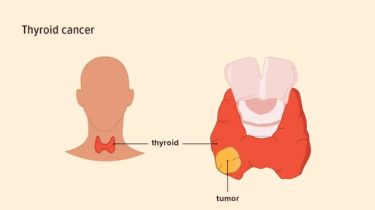
Thyroid cancer affects the thyroid gland, which controls metabolism through hormone production. It often appears as a lump in the neck and is usually detected during routine exams or imaging tests.
Common Types of Thyroid Cancer:
- Papillary Carcinoma – Most common and slow-growing
- Follicular Carcinoma – Can spread to other organs
- Medullary Thyroid Cancer – May be hereditary
- Anaplastic Carcinoma – Rare and aggressive
- Thyroid Lymphoma – Linked to immune system disorders
Symptoms
What Are the Symptoms of Thyroid Cancer?
- A noticeable lump or mass in the front of the neck
- A persistent change in voice, often becoming hoarse
- Difficulty or discomfort when swallowing food or liquids
- Ongoing pain in the neck or throat that doesn’t go away
- Breathing difficulties or a feeling of pressure in the neck
- Enlarged lymph nodes or swelling on one side of the neck
These symptoms may appear gradually and are not always painful. If any of these signs persist, it’s important to consult a medical specialist for proper evaluation.
Risk Factors
What Are the Risk Factors for Thyroid Cancer?
- Being female, as women are more likely to develop thyroid cancer than men
- History of exposure to radiation, especially in the head, neck, or chest area
- Genetic conditions or a family history of thyroid or endocrine-related cancers
These factors may increase the chances of developing thyroid cancer, but having one or more does not guarantee the disease will occur. Regular checkups and early diagnosis are important for effective management.
Preparation
How to Prepare for Thyroid Cancer Surgery
- Start by selecting a trusted hospital in India that offers reliable thyroid cancer treatment at a reasonable price.
- Undergo a pre-surgical health assessment, which usually includes blood tests, heart evaluations (ECG and ECHO), and a urine test to confirm you’re fit for surgery.
- You’ll be required to give written consent before the operation begins, confirming your agreement to proceed with the surgery.
- Inform your healthcare team about any medications or supplements you’re currently taking.
- Patients are typically admitted one day before the procedure and advised to fast for a certain number of hours before surgery.
- If you’re on blood thinners or related medication, you may need to stop taking them around 10 days before the procedure (only under medical supervision).
Procedure
How is Thyroid Cancer Surgery Performed?
Before deciding on treatment, doctors may recommend several tests such as blood work, imaging scans (like CT scans), genetic screening, and a biopsy to confirm the diagnosis and determine the stage and type of thyroid cancer.
Depending on the type and progression of the disease, treatment often involves a combination of surgery, radiation, chemotherapy, or other advanced therapies.
Surgical Options
Surgery is typically the first and most important step in treating thyroid cancer. A specialist may make an incision at the base of the neck to remove all or part of the thyroid gland.The type of surgery depends on how far the cancer has spread:
- Lobectomy – Removes one lobe of the thyroid.
- Near-total thyroidectomy – Removes almost the entire thyroid gland.
- Total thyroidectomy – Removes the entire thyroid gland.
Other Treatment Options
- Chemotherapy
Though not commonly used for all types of thyroid cancer, chemotherapy may be applied in aggressive or advanced cases such as anaplastic thyroid cancer. It can be used before or after surgery depending on the treatment plan.
- Radiation Therapy
This method targets and eliminates any cancer cells that remain after surgery using high-energy radiation. Techniques like Intensity-Modulated Radiation Therapy (IMRT) or Intraoperative Radiation Therapy (IORT) may be used, typically over multiple sessions.
- Radioactive Iodine Therapy
In this specialized treatment, a dose of radioactive iodine that targets thyroid cells specifically is swallowed. It’s especially effective for papillary and follicular thyroid cancers and causes minimal side effects to other tissues.
- Targeted Drug Therapy
For certain types like medullary thyroid cancer, targeted medications such as Cabozantinib, Sorafenib, or Vandetanib may be used to block cancer cell growth and slow the spread of the disease.
Post-Procedure
Post-Operative Care After Thyroid Cancer Surgery
After thyroid cancer treatment, patients must undergo regular follow-up checks to monitor their recovery and ensure the cancer has not returned. These typically include:
- Routine blood tests
- Ultrasounds or radioactive iodine scans
These evaluations are often scheduled around 6 to 12 months after the initial treatment.
In addition:
- Thyroid hormone replacement therapy may be prescribed if the thyroid gland is fully or partially removed.
- Diet and nutrition should be tailored as per the doctor’s guidance, focusing on balanced meals that support healing.
- Physical activity can be gradually resumed based on the patient’s condition, with medical advice.
Close follow-up with the healthcare team is important to maintain long-term health and catch any signs of recurrence early.
Success Rate of Thyroid Cancer Treatment
Thyroid cancer has one of the highest treatment success rates among all cancers. The outcomes are especially positive for the more common types such as papillary and follicular thyroid cancer. Survival rates are greatly increased by early detection and appropriate medical treatment.
Younger patients generally experience even better outcomes, with success rates reaching up to 98% in early stages.
Survival Rate by Stage (5-Year Outlook):
|
Stage of Thyroid Cancer
|
Estimated 5-Year Survival Rate
|
|
Stage 0
|
100%
|
|
Stage I
|
100%
|
|
Stage II
|
98%
|
|
Stage III
|
90%
|
|
Stage IV
|
51%
|
Survival rates can vary based on the individual’s age, general health, type of thyroid cancer, and how early it was diagnosed. However, most patients respond very well to treatment when diagnosed early and managed by experienced specialists.
FAQs From the Doctor
What Questions Should I Ask Before Thyroid Cancer Surgery?
Before proceeding with thyroid cancer surgery, it’s essential to be well-informed. Below is a list of questions you may ask your surgeon or healthcare provider to make the best decisions about your treatment:
- Are you a board-certified surgical oncologist specializing in thyroid cancer?
- How many thyroid cancer surgeries have you performed?
- Is your hospital accredited for performing thyroid cancer treatments?
- Based on my condition, am I a good candidate for this surgery?
- What type and stage of thyroid cancer do I have?
- What are the expected success rates for my case?
- How long will the recovery process take?
- What is the estimated cost of thyroid cancer treatment in India?
- Which hospitals in India offer the most advanced thyroid cancer treatments?
- Which course of treatment would you suggest for me, and why?
- What are my options if the treatment doesn’t work as expected?
- What are the pros and cons of undergoing this surgery?
- What does my insurance policy cover in this treatment?
- How can I get ready for the surgery both mentally and physically?
- For what length of time must I remain in the hospital?
- When can I resume my regular activities, job, and daily routines?
- Will I have stitches, surgical staples, or bandages after the operation?
- Will there be any visible scars or long-term effects?
- What kind of results should I expect post-surgery?
- Is there a possibility that I will need another surgery later?
- Will I need follow-up consultations or diagnostic tests after surgery?
- Can you recommend the top thyroid cancer surgeons in India?