Duration of Treatment
usually takes 1 to 2 hours.
Days of Stay
usually two days in the hospital and 5 days outside the hospital.
Anesthesia
General anesthesia.
Cost
2500 to 4000 USD
Gallbladder Removal (Cholecystectomy) Cost in India
he average cost of gallbladder removal surgery in India ranges between:
₹45,000 to ₹1,20,000 (approx. $540 to $1,450 USD)
Cost Breakdown by Surgery Type:
|
Surgery Type
|
Estimated Cost (INR)
|
|
Laparoscopic Cholecystectomy (minimally invasive)
|
₹50,000 – ₹1,00,000
|
|
Open Cholecystectomy (traditional surgery)
|
₹45,000 – ₹90,000
|
Cost Influencing Factors:
- Hospital reputation and location
- Type of surgery (laparoscopic vs. open)
- Room category (general/semi-private/private)
- Surgeon’s expertise
- Pre-op and post-op care
- Diagnostic tests and medications
Sample City-Wise Cost Estimates:
|
City
|
Estimated Cost (INR)
|
|
Delhi
|
₹60,000 – ₹1,00,000
|
|
Mumbai
|
₹65,000 – ₹1,20,000
|
|
Bangalore
|
₹55,000 – ₹1,00,000
|
|
Hyderabad
|
₹50,000 – ₹95,000
|
|
Chennai
|
₹50,000 – ₹90,000
|
|
Kolkata
|
₹45,000 – ₹85,000
|
Top 10 General & Laparoscopic Surgeons in India
- Dr. Arvind Kumar
- Chairman, Institute of Chest Surgery, Medanta – The Medicity, Gurgaon
- Pioneer in robotic and thoracoscopic (minimally invasive) surgery
- Dr. Randeep Wadhawan
- Director of Minimal Access, Bariatric & GI Surgery, Max Hospital, Delhi
- Expertise: Laparoscopic GI and metabolic surgeries
- Dr. Muffazal Lakdawala
- Founder, Digestive Health Institute, Mumbai
- Global authority in laparoscopic bariatric surgery
- Dr. Adarsh Chaudhary
- Chairman, GI Surgery & Liver Transplant, Medanta Hospital, Gurgaon
- Known for advanced laparoscopic GI and hepatobiliary procedures
- Dr. Pradeep Chowbey
- Chairman, Max Institute of Minimal Access, Metabolic & Bariatric Surgery, Delhi
- Over 85,000 laparoscopic surgeries performed
- Dr. Deep Goel
- Director, GI Surgery & Bariatric Surgery, BLK-Max Hospital, New Delhi
- Renowned for advanced laparoscopic and robotic surgery
- Dr. Sanjay Kolte
- Senior Laparoscopic & GI Surgeon, Pune
- Known for gallbladder, appendix, and hernia surgeries
- Dr. Ashish Bhanot
- Senior Consultant, Laparoscopic Surgeon, Aum Clinics, Delhi NCR
- Expertise in hernia, piles, and gallbladder surgeries
- Dr. Nitin Jha
- Senior Consultant, Fortis Noida
- Specializes in laparoscopic GI and hernia surgeries
- Dr. C. Palanivelu
- GEM Hospital, Coimbatore
- A pioneer in laparoscopic colorectal and GI cancer surgery in India
Top 10 Hospitals for Gallbladder Surgery in India
- Medanta – The Medicity, Gurgaon
- Renowned for GI and laparoscopic surgeries
- Adarsh Chaudhary, Dr. Arvind Kumar are top specialists
- Max Super Specialty Hospital, New Delhi
- Advanced laparoscopic & robotic surgery units
- Home to Dr. Pradeep Chowbey and Dr. Randeep Wadhawan
- Apollo Hospitals, Chennai / Delhi / Hyderabad
- Trusted name with nationwide presence
- State-of-the-art laparoscopic and general surgery
- Fortis Memorial Research Institute, Gurgaon
- Excellent for minimal access and digestive surgery
- Nitin Jha and team are highly reputed
- BLK-Max Super Specialty Hospital, New Delhi
- Leading center for advanced GI & bariatric surgery
- Deep Goel is a key surgeon
- GEM Hospital, Coimbatore
- Specialized in laparoscopic and robotic surgery
- Founded by Dr. C. Palanivelu, a pioneer in laparoscopic surgery
- Lilavati Hospital, Mumbai
- Highly trusted for general and gastro surgeries
- Equipped with advanced minimally invasive tech
- Asian Institute of Gastroenterology, Hyderabad
- Best for gastroenterology & related surgeries
- Expert team for laparoscopic gallbladder removal
- Sir Ganga Ram Hospital, New Delhi
- Legacy in general surgery with modern techniques
- Offers both open and laparoscopic gallbladder surgeries
- Manipal Hospitals (Bangalore / Delhi / Pune)
- Modern facilities & skilled surgeons in GI surgery
- Known for affordable quality care
Why Choose HealthFly Medical Tourism for Your Treatment in India
HealthFly Medical Tourism is a trusted facilitator for patients seeking world-class healthcare in India with affordability, transparency, and personal care at its core. Here’s why thousands of patients globally choose HealthFly:
- Access to Top Hospitals & Surgeons
- Partnered with JCI & NABH-accredited hospitals across India.
- Direct consultation with India’s leading specialists in cardiology, oncology, transplantation, orthopedics, fertility, cosmetic surgery, and more.
- Affordable Treatment Packages
- Up to 60–80% cost savings compared to US/UK/Europe.
- Transparent pricing with no hidden charges.
- Tailor-made packages according to your medical needs and budget.
- Expert Medical Coordination
- Assistance with doctor appointments, second opinions, and treatment planning.
- Dedicated case manager to guide you at every step.
- Complete Travel Support
- Visa invitation letters and embassy assistance.
- Airport pick-up and drop, language interpreter services, and hotel booking.
- 24/7 support from arrival till recovery.
- Post-Treatment & Recovery Care
- Help with follow-up consultations after returning home.
- Options for extended stay, wellness, and rehabilitation.
- Multilingual & Culturally Sensitive Team
- Fluent in Arabic, French, Russian, Hindi, and English.
- Empathetic support for international patients and their families.
- Trusted by Thousands
- Hundreds of success stories in kidney, liver, heart, and cosmetic surgery.
- Rated highly for patient satisfaction, safety, and personalized care.
What is Gallbladder Surgery
Gallbladder surgery, also known as a cholecystectomy, is a surgical procedure to remove the gallbladder, a small organ located beneath the liver. The gallbladder stores bile — a digestive fluid produced by the liver — which helps in digesting fats.
Preparation for Gallbladder Surgery
- Medical Evaluation
- Physical exam & health history review
- Blood tests, ultrasound, or CT scan to confirm gallbladder issues
- ECG or chest X-ray (if needed) to assess heart/lung function
✅ 2. Medication Adjustments
- Inform your doctor about all medications, supplements, or herbs.
- Stop blood thinners (e.g., aspirin, warfarin) a few days before surgery as advised.
- Diabetes patients may need to adjust insulin or other meds.
✅ 3. Fasting
- Do not eat or drink anything (usually after midnight) the night before surgery.
- Helps reduce the risk of aspiration during anesthesia.
✅ 4. Lifestyle Adjustments
- Stop smoking and alcohol intake at least a week before surgery.
- These habits affect healing and anesthesia response.
✅ 5. Hospital Planning
- Arrange for a ride home after surgery.
- Pack essentials (e.g., loose clothes, ID, reports).
- You may need 1-2 days hospital stay depending on your condition and surgery type.
✅ 6. Mental Preparation
- Ask your surgeon about risks, benefits, and recovery time.
- Prepare mentally for a short recovery period of 1 to 2 weeks (laparoscopic) or 4 to 6 weeks (open surgery).
Procedure
Gallbladder surgery, also known as cholecystectomy, is performed to remove a diseased or inflamed gallbladder — typically due to gallstones or infection. It can be done using two main techniques:
🔹 1. Laparoscopic Cholecystectomy (Minimally Invasive) – Most Common
Steps:
- Anesthesia: You’re given general anesthesia so you’re asleep and pain-free.
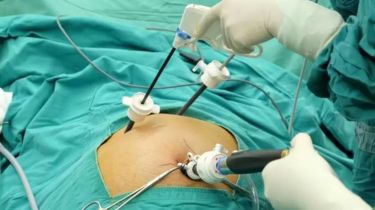
- Incisions: The surgeon makes 3–4 small cuts in your abdomen.
- Camera Insertion: A thin tube with a camera (laparoscope) is inserted to view the gallbladder.
- Surgical Tools: Instruments are inserted through other incisions to detach the gallbladder.
- Gallbladder Removal: It is removed through one of the small incisions.
- Closure: Incisions are closed using stitches or surgical tape.
Time: ~1 to 2 hours
Hospital Stay: Usually same day or 1 night
Recovery: 1 to 2 weeks
🔹 2. Open Cholecystectomy (Traditional Surgery)
Steps:
- Anesthesia: General anesthesia is given.
- Incision: A 5–7 inch incision is made under the right rib cage.
- Removal: Gallbladder is carefully separated and removed.
- Drain (if needed): A small drain may be placed to remove excess fluid.
- Closure: The incision is closed with stitches or staples.
Post-Procedure
After gallbladder removal surgery, proper care is essential for a smooth and safe recovery. The post-operative experience depends on the type of surgery — laparoscopic or open cholecystectomy.
- Hospital Stay & Monitoring
- Laparoscopic surgery: Usually discharged the same day or after one night.
- Open surgery: 2–5 days of hospital stay may be required.
- Vitals are monitored — blood pressure, oxygen levels, and incision site.
- Pain and nausea medications are administered.
- Pain & Discomfort
- Mild to moderate abdominal or shoulder pain (from gas used during laparoscopy).
- Pain is typically managed with oral painkillers.
- Avoid heavy lifting or strenuous activity for a few days (laparoscopic) or weeks (open surgery).
- Diet and Digestion
- Start with clear liquids and gradually shift to soft food.
- Avoid fatty, fried, or spicy foods initially.
- Some people may experience loose stools or indigestion for a few weeks.
- Wound Care
- Keep incisions clean and dry.
- Follow doctor’s advice for dressing changes.
- Watch for signs of infection (redness, swelling, pus, fever).
- Physical Activity
- Laparoscopic: Resume light activities in 2–3 days; full recovery in 1–2 weeks.
- Open surgery: Return to routine activities after 4–6 weeks.
- Follow-Up Appointments
- Attend follow-up visits to check healing and pathology results (if needed).
- Stitches may be removed if non-dissolvable.
Success Rates
Gallbladder surgery, especially laparoscopic cholecystectomy, is one of the most commonly performed and safest surgical procedures worldwide — and India is no exception.
🔹 Overall Success Rate
- Laparoscopic cholecystectomy: ✅ 95% to 99%
- Open cholecystectomy: ✅ 90% to 95%
🔹 Key Factors Influencing Success
- Type of surgery (laparoscopic vs. open)
- Surgeon’s expertise
- Hospital quality
- Underlying health conditions
- Patient’s age and BMI
- Pre-existing complications like gallbladder infection or pancreatitis
🔹 Benefits Contributing to High Success
- Minimally invasive (laparoscopic) technique
- Quick recovery time
- Low infection and complication rate
- Improved digestive symptoms post-surgery
🔹 Complication Rate (Very Low)
- Bile leakage: <1%
- Infection: <2%
- Injury to bile duct or intestine: <0.3%
FAQs from Doctors
. When is gallbladder surgery necessary?
Doctor says: Surgery is typically recommended if you have gallstones, gallbladder infection, or biliary colic causing pain, vomiting, or digestion issues.
- Is gallbladder surgery painful?
👨⚕️ Doctor says: Most patients feel mild discomfort post-surgery. With laparoscopic surgery, pain is minimal and managed easily with medication.
- How long does it take to recover from the surgery?
👨⚕️ Doctor says: Patients usually return to normal activities within 7–10 days after laparoscopic surgery. Open surgery may take longer.
- Will I have digestive issues after gallbladder removal?
👨⚕️ Doctor says: Most people live a normal life without major changes. A few may experience mild bloating or diarrhea that usually settles.
- Is laparoscopic surgery better than open surgery?
👨⚕️ Doctor says: Yes, laparoscopic surgery offers smaller incisions, less pain, quicker recovery, and fewer complications.
- What are the risks involved?
👨⚕️ Doctor says: Risks are very low but may include infection, bleeding, or bile duct injury in rare cases.
- Can I live without a gallbladder?
👨⚕️ Doctor says: Absolutely. The liver continues to produce bile, and your body adjusts to life without a gallbladder over time.
- How long is the hospital stay?
👨⚕️ Doctor says: Usually 1 day for laparoscopic surgery, 3–5 days for open surgery unless complications occur.