Duration of Treatment
Usually 1.5 to 3 hours
Days of Stay
3–5 days in the hospital + 15 days post-discharge recovery
Anesthesia
General or Regional Anesthesia
Cost
7000 – 9000 USD
Shoulder Replacement Surgery Cost in India
Shoulder replacement surgery in India is both advanced and affordable, making it a top choice for international and domestic patients seeking quality care at lower prices.
Average Cost of Shoulder Replacement in India
|
Type of Surgery
|
Estimated Cost (USD)
|
|
|
Total Shoulder Replacement
|
$5,500 – $7,500
|
|
|
Partial Shoulder Replacement (Hemi)
|
$4,000 – $6,000
|
|
|
Reverse Total Shoulder Replacement
|
$6,000 – $8,500
|
|
|
Minimally Invasive (Robotic-assisted)
|
$6,500 – $9,000+
|
|
Top Shoulder Replacement Surgeons in India
| |
|
|
|
· Dr. Ashish Babhulkar
|
·
|
·
|
|
· Dr. IPS Oberoi
|
·
|
·
|
|
· Dr. Ram Chidambaram
|
·
|
·
|
|
· Dr. Deepak Joshi
|
·
|
·
|
|
· Dr. Prakash Doshi
|
·
|
·
|
|
· Dr. Abhishek Bansal
|
·
|
·
|
|
· Dr. Aashish Arbat
|
·
|
·
|
|
· Dr. Raghu Nagaraj
|
·
|
·
|
|
· Dr. Shreedhar Archik
|
·
|
·
|
|
· Dr. Hemant Wakankar
|
·
|
·
|
Top Shoulder Replacement Hospitals in India
|
City
|
Hospital Name
|
|
|
Delhi NCR
|
Medanta – The Medicity, Gurugram
|
|
| |
Artemis Hospital, Gurugram
|
|
| |
Max Super Speciality Hospital, Saket
|
|
| |
BLK-Max Super Speciality Hospital, Delhi
|
|
| |
Fortis Escorts Hospital, Okhla
|
|
|
Mumbai
|
Nanavati Max Super Speciality Hospital
|
|
| |
Kokilaben Dhirubhai Ambani Hospital
|
|
| |
Global Hospital, Parel
|
|
| |
Wockhardt Hospital, Mumbai Central
|
|
| |
Hiranandani Hospital, Powai
|
|
|
Chennai
|
Apollo Hospitals, Greams Road
|
|
| |
Fortis Malar Hospital, Adyar
|
|
| |
MIOT International Hospital
|
|
| |
Sri Ramachandra Medical Centre
|
|
| |
Gleneagles Global Health City
|
|
|
Bangalore
|
Manipal Hospitals, Old Airport Road
|
|
| |
Fortis Hospital, Bannerghatta Road
|
|
| |
Aster CMI Hospital, Hebbal
|
|
| |
Sakra World Hospital, Marathahalli
|
|
| |
Apollo Hospitals, Bannerghatta Road
|
|
|
|
|
|
|
|
|
|
|
|
|
|
|
|
|
|
|
|
|
|
| |
|
|
|
Why Choose Healthfly Medical Tourism for Shoulder Replacement Surgery in India
- Top Hospital Tie-Ups
- Partnered with India’s best JCI/NABH-accredited hospitals across major cities.
- Leading Orthopedic Surgeons
- Connects you with highly experienced, globally trained joint replacement specialists.
- Affordable Packages
- Shoulder replacement surgery at 30–70% lower cost than in the US, UK, or UAE.
- Free Medical Consultation
- Get a free online video consultation with orthopedic experts before your travel.
- End-to-End Support
- From medical visa, flights, and hotel booking to hospital admission and discharge.
- Customized Treatment Plans
- Personalized based on your diagnosis, budget, and travel needs.
- Language Support
- Multilingual team: English, Hindi, Arabic, French, Bengali & more.
- In-Country Assistance
- Dedicated patient care manager available during your entire medical stay in India.
- Post-Surgery Rehabilitation
- Physiotherapy, follow-ups, and recovery guidance are all included.
- Trusted by 30+ Countries
- Patients from Africa, Middle East, Europe, and Asia choose Healthfly for safe care.
What is Shoulder Replacement Surgery
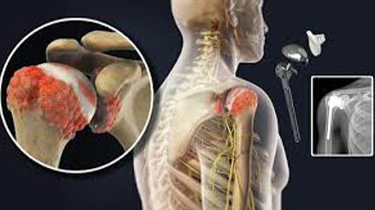
Shoulder replacement surgery—also known as shoulder arthroplasty—is a procedure where a damaged or worn-out shoulder joint is replaced with a prosthetic implant to relieve pain and restore function.
It is recommended for patients with severe arthritis, rotator cuff injuries, or shoulder fractures that do not respond to non-surgical treatments.
Types of Arteries
Elastic Arteries (Conducting Arteries)
Muscular Arteries (Distributing Arteries)
Arterioles
Symptoms
- Coronary Artery Disease (Heart Arteries)
- Chest pain or tightness (angina)
- Shortness of breath
- Fatigue with physical activity
- Palpitations (irregular heartbeat)
- Pain radiating to arm, jaw, or back
- Carotid Artery Disease (Brain Arteries)
- Sudden numbness or weakness (usually one side)
- Difficulty speaking or slurred speech
- Blurred or lost vision in one eye
- Sudden severe headache
- Dizziness or loss of balance
- Peripheral Artery Disease (Leg & Arm Arteries)
- Leg pain or cramping while walking (claudication)
- Coldness in lower leg or foot
- Slow or non-healing foot sores
- Weak pulses in legs or feet
- Skin discoloration or shiny skin
- Pulmonary Artery Hypertension
- Shortness of breath (especially during activity)
- Chest discomfort or tightness
- Swelling in legs or ankles
- Dizziness or fainting spells
- Fatigue without exertion
Risk Factors
1. High Blood Pressure (Hypertension)
- Damages artery walls and accelerates plaque buildup.
2. High Cholesterol
- Especially LDL (“bad”) cholesterol contributes to arterial blockage.
3. Smoking
- Narrows arteries, reduces oxygen in the blood, and damages the lining of vessels.
4. Diabetes (Type 1 & 2)
- High blood sugar levels damage arteries and increase inflammation.
5. Obesity or Overweight
- Linked to high blood pressure, diabetes, and poor cholesterol levels.
6. Sedentary Lifestyle
- Lack of physical activity leads to poor circulation and weight gain.
7. Unhealthy Diet
- Diets high in saturated fat, sugar, and salt increase risk of arterial disease.
8. Family History
- A genetic predisposition to heart or vascular disease increases your risk.
9. Age
- Risk rises after age 45 in men and age 55 in women.
10. Chronic Inflammation
- Conditions like lupus or rheumatoid arthritis can harm blood vessels.
Preparation
Preparing for artery-related surgery—such as angioplasty, bypass surgery, or stent placement—is a critical step that can significantly impact the success and safety of the procedure. The first phase involves a thorough medical assessment. Your doctor will review your symptoms, medical history, and conduct diagnostic tests such as ECG, echocardiograms, Doppler ultrasounds, blood tests, and possibly CT or MRI angiography to assess the condition of your arteries. Based on your results, a tailored surgical plan will be made.
Medication review is another key part of preparation. You must inform your doctor about all current medications and supplements. Certain drugs—especially blood thinners (like aspirin, warfarin, or clopidogrel)—may need to be paused or adjusted before surgery to minimize bleeding risks. Diabetics may also need changes in insulin or oral medication routines.
Lifestyle adjustments before surgery can improve your healing and reduce complications. Patients are advised to quit smoking at least two to four weeks prior to surgery, follow a heart-healthy diet low in fat and salt, and engage in light physical activity if permitted. Alcohol intake should also be minimized or avoided. These changes help control blood pressure, blood sugar, and cholesterol—key risk factors in artery disease.
Hospital instructions will include fasting for 6–8 hours before surgery, preparing the surgical site (often cleaned or shaved), and signing a consent form. You’ll also have a pre-operative discussion with your anesthesiologist. Be sure to pack a small hospital bag with your ID, medical records, insurance papers, current medication list, comfortable clothing, and personal items.
Lastly, mental and emotional preparation is important. Understanding your procedure, its benefits, risks, and recovery expectations can ease anxiety. Discuss all concerns with your surgeon and arrange for a family member or caregiver to be available post-surgery to support you during recovery.
Procedure
Artery-related surgeries aim to restore proper blood flow through blocked or narrowed arteries caused by conditions like atherosclerosis, peripheral artery disease, or coronary artery disease. Depending on the condition and location of the blockage, procedures such as angioplasty, stent placement, bypass surgery, or endarterectomy may be recommended. Here’s an overview of how the procedure typically unfolds.
After the patient is prepped and anesthesia (local or general) is administered, the surgical team begins by accessing the artery. In angioplasty and stenting, a thin, flexible tube called a catheter is inserted into the artery, usually through the groin or wrist. Guided by real-time X-ray imaging, the catheter is threaded through the blood vessel to the blocked section. A small balloon at the tip is then inflated to widen the artery. Often, a stent (a small mesh tube) is inserted to keep the artery open long-term.
In more severe cases, arterial bypass surgery may be required. This involves creating an alternate route for blood to flow by grafting a healthy blood vessel from another part of the body (usually the leg or chest) to bypass the blocked section. For carotid artery surgery (endarterectomy), the surgeon makes an incision in the neck, opens the carotid artery, and removes plaque buildup directly from inside the artery.
Once the blockage is cleared or bypassed, the instruments are carefully removed, and the access point is closed using stitches or a closure device. The patient is then monitored in a recovery room for several hours or overnight, depending on the type of procedure and overall health status.
Recovery time varies based on the complexity of the surgery—angioplasty may allow same-day discharge, while bypass surgery could require several days of hospitalization followed by weeks of recovery and rehabilitation. Patients are usually prescribed medications like blood thinners and advised on lifestyle changes to prevent future blockages.
Post-Procedure
Post-procedure care is a vital part of recovery after any artery-related surgery, such as angioplasty, stent placement, bypass surgery, or carotid endarterectomy. Immediately after the procedure, patients are taken to a recovery room or ICU where their vital signs, heart rhythm, and surgical site are closely monitored. Depending on the complexity of the surgery, hospital stay may range from a few hours (for angioplasty) to 5–7 days (for bypass or carotid surgery).
Pain and mild discomfort at the incision site or catheter entry point (usually the wrist or groin) are common but manageable with medication. Patients are typically placed on blood thinners or antiplatelet drugs to prevent clot formation in the treated artery. Mobility is encouraged gradually—starting with gentle movement and walking to promote circulation and prevent complications such as blood clots or pneumonia.
It’s important to follow dietary and lifestyle recommendations strictly. A heart-healthy diet, smoking cessation, and physical activity play a key role in long-term recovery and in preventing artery re-narrowing. Some patients may be advised to attend cardiac or vascular rehabilitation programs to regain strength and learn how to protect their arteries going forward.
Patients are also scheduled for follow-up visits within a few weeks to assess healing, monitor blood pressure, cholesterol levels, and ensure the artery is functioning well. Warning signs like chest pain, shortness of breath, swelling at the surgical site, or fever should be reported to a doctor immediately.
Proper post-procedure care not only supports a smooth recovery but also increases the success and longevity of the surgical results.
Success Rates
Success Rates of Shoulder Replacement Surgery
Shoulder replacement surgery is a highly successful procedure for relieving pain and restoring function in patients with severe arthritis, rotator cuff injuries, or shoulder fractures. With advancements in surgical techniques, prosthetic design, and post-operative care, the success rates have significantly improved.
FAQs from Orthopedic Doctors
- Who needs shoulder replacement surgery?
- Patients with severe arthritis, chronic shoulder pain, or limited mobility not improving with medications or physiotherapy.
- What are the types of shoulder replacement?
- Total Shoulder Replacement
- Reverse Shoulder Replacement
- Partial Shoulder Replacement (Hemiarthroplasty)
- How long does the surgery take?
- Usually between 5 to 2.5 hours.
- How long is the hospital stay?
- Around 2 to 4 days, depending on the patient’s condition.
- When can I return to daily activities?
- Within 6 to 8 weeks with proper rehabilitation.